
Gear guides for wet, wild Northwest trips
Six in-depth, brand-neutral guides that explain what to look for in each category of camping gear, why it matters in the Pacific Northwest, and how to care for it. No sponsored picks, no price lists: just the features and habits that keep you dry, warm and safe.
Six guides, one system
Shelter, sleep, kitchen, layers, pack and safety. Each guide stands alone, but together they form a complete kit.
 01
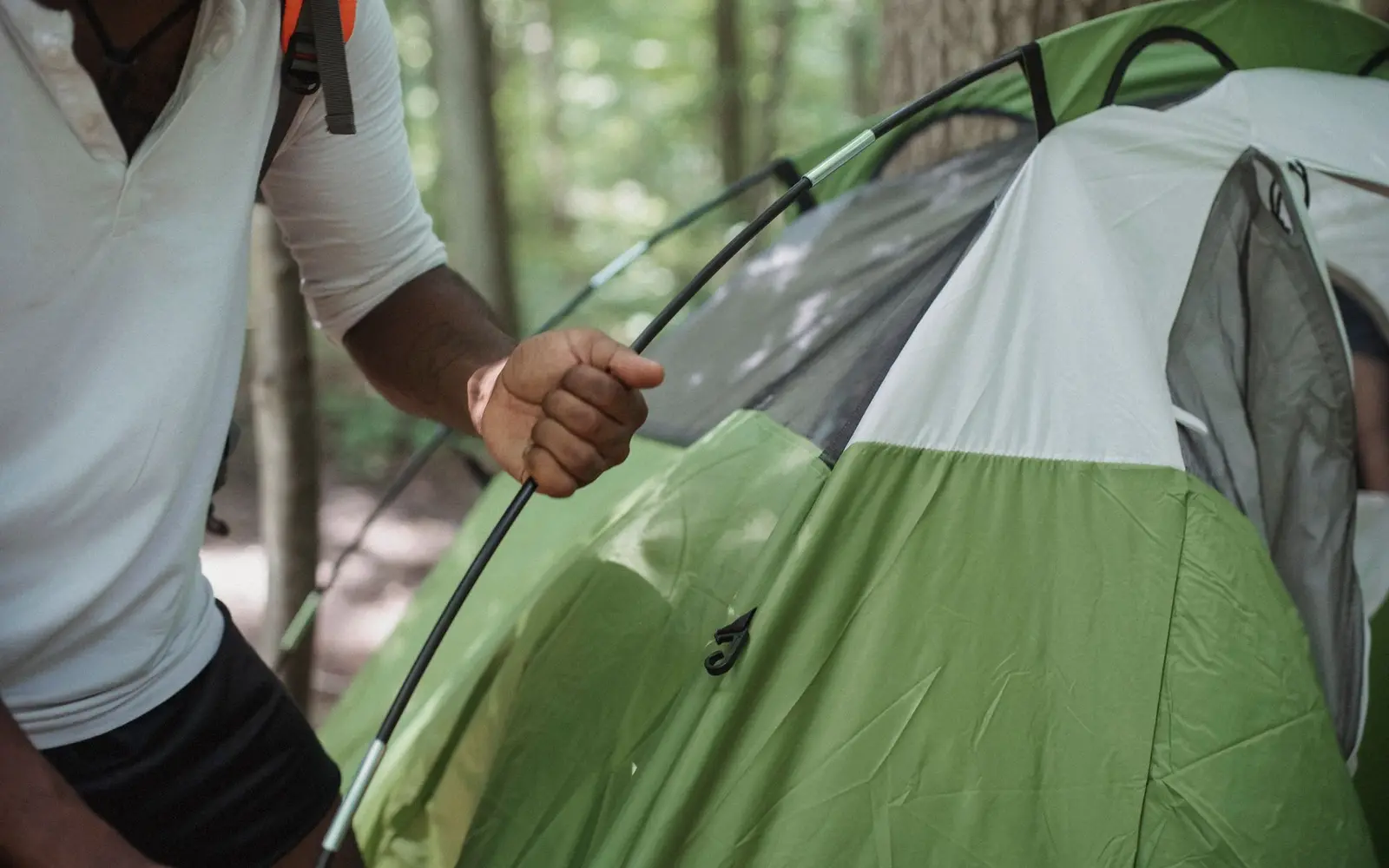
01Tents and Shelters
Rainfly coverage, ventilation and pitch-in-the-rain designs that keep you dry from the coast to the Cascades.
 02
02Sleeping Bags and Pads
Temperature ratings, down vs. synthetic in damp air, and why your pad matters as much as your bag.
 03
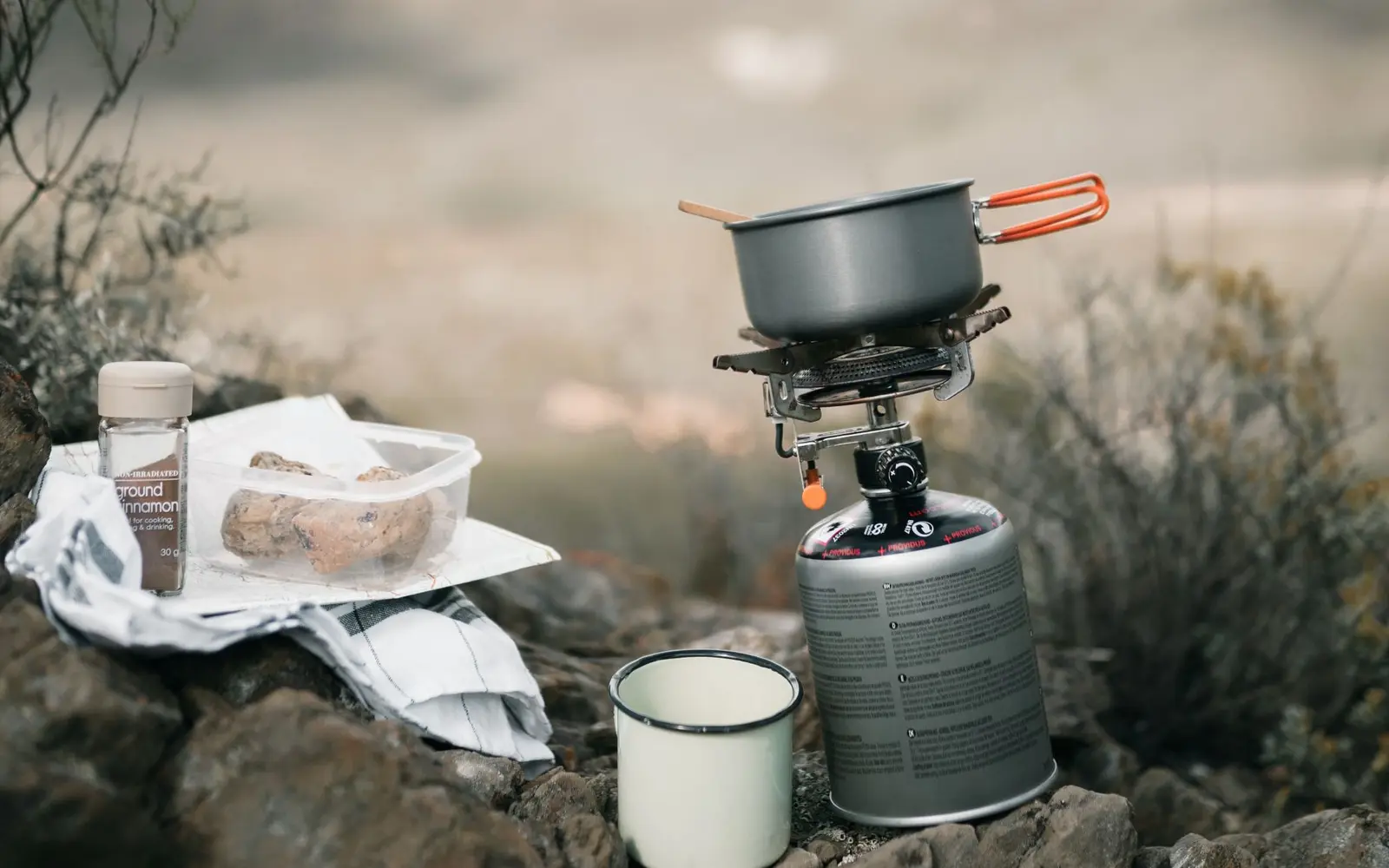
03Camp Kitchen Setup
Stoves, fuel, cookware and food storage habits that work under a tarp in the drizzle.
 04
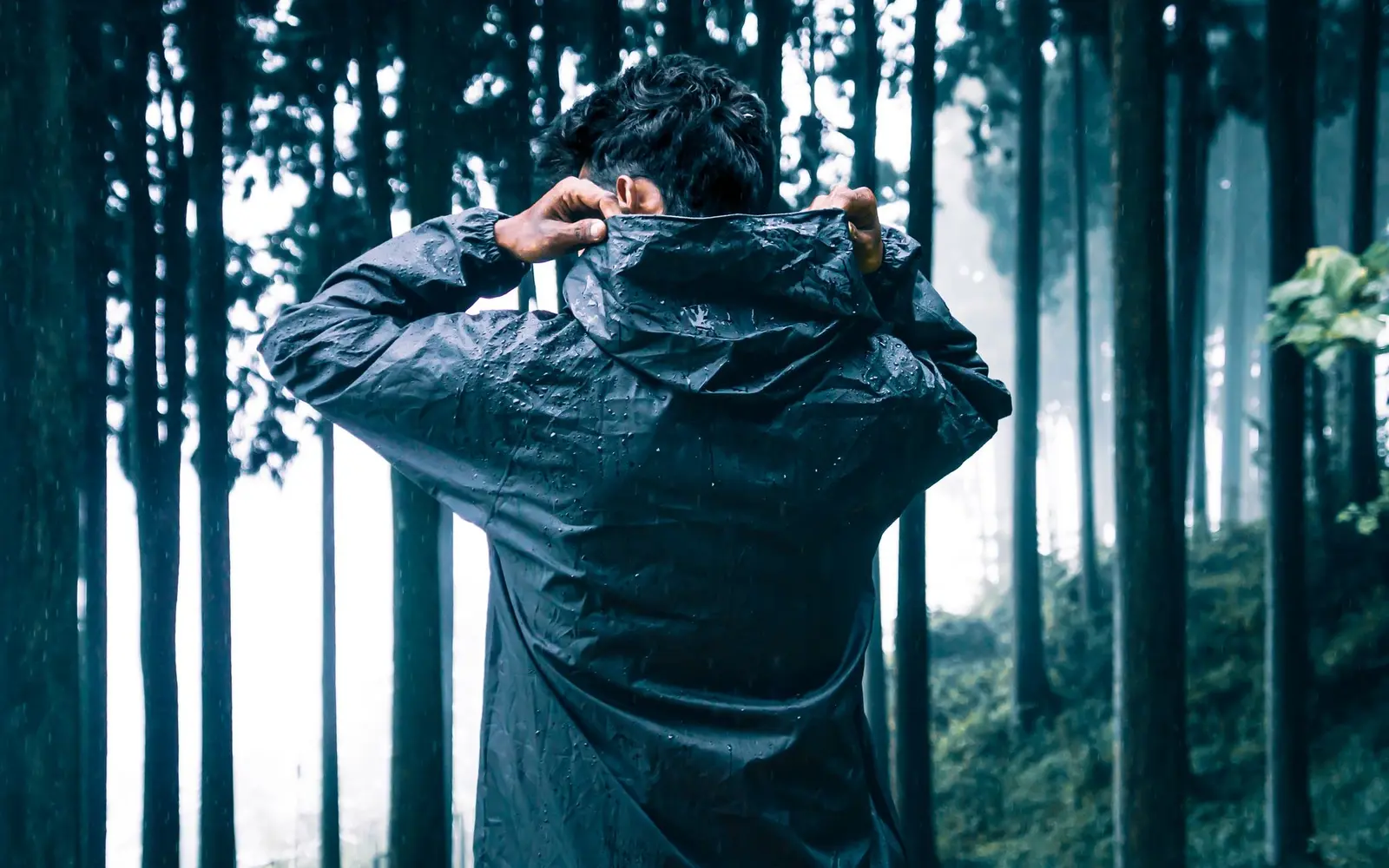
04Rain Gear and Layering
Base, mid and shell layers that handle drizzle, downpours and sweaty climbs without leaving you chilled.
 05
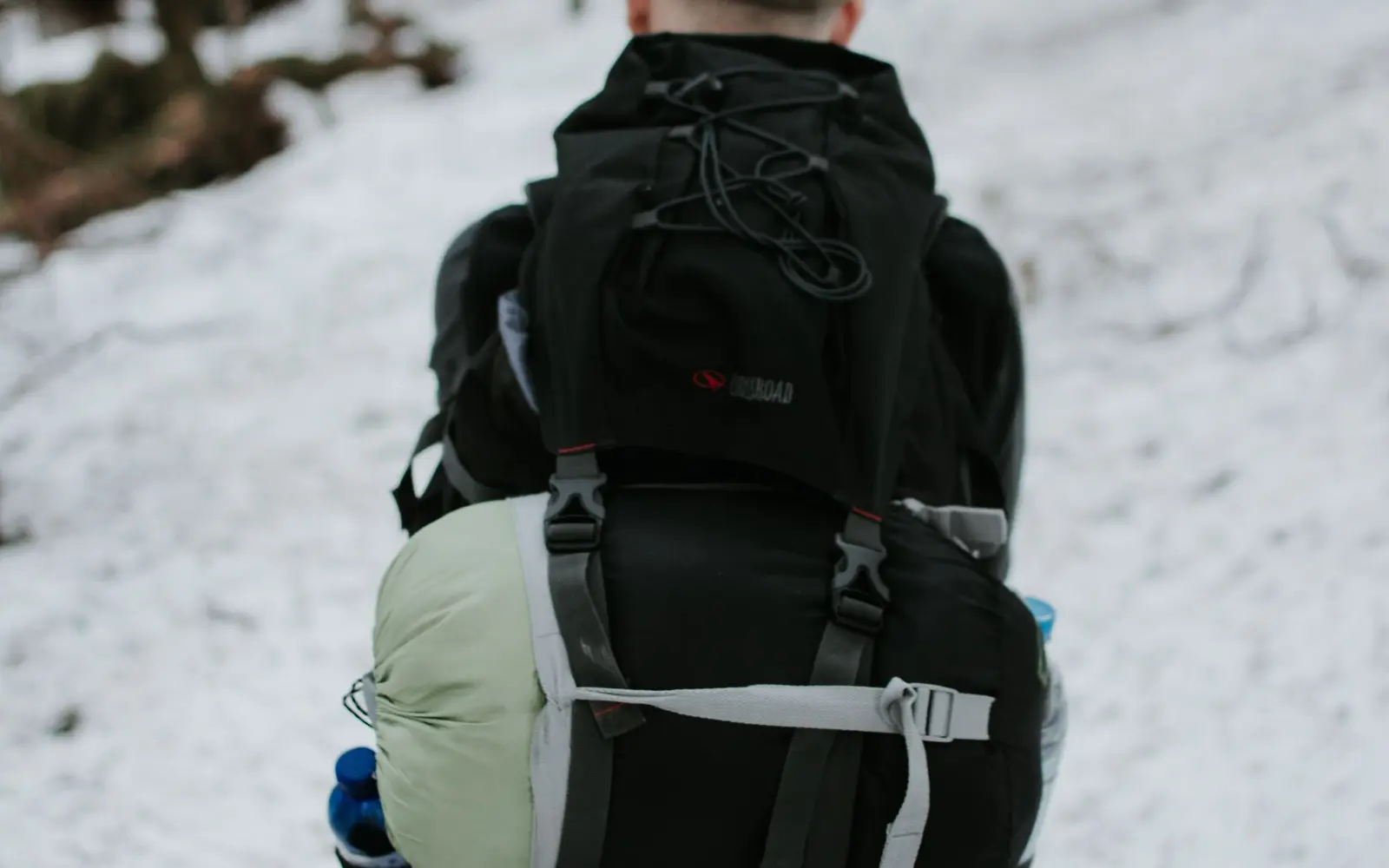
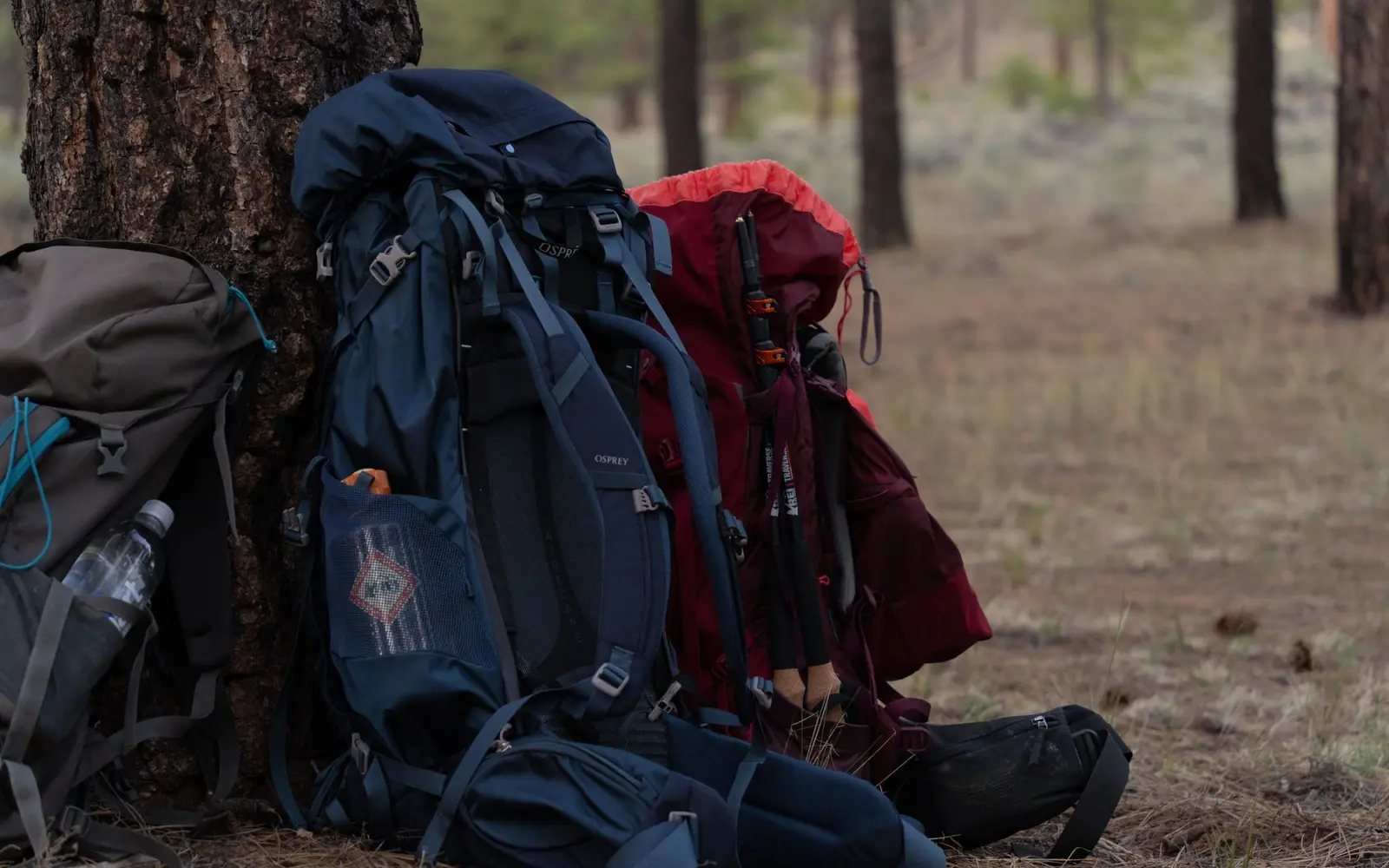
05Backpacks and Packing
Torso fit, capacity and a waterproof packing order that keeps your sleeping bag dry no matter what.
 06
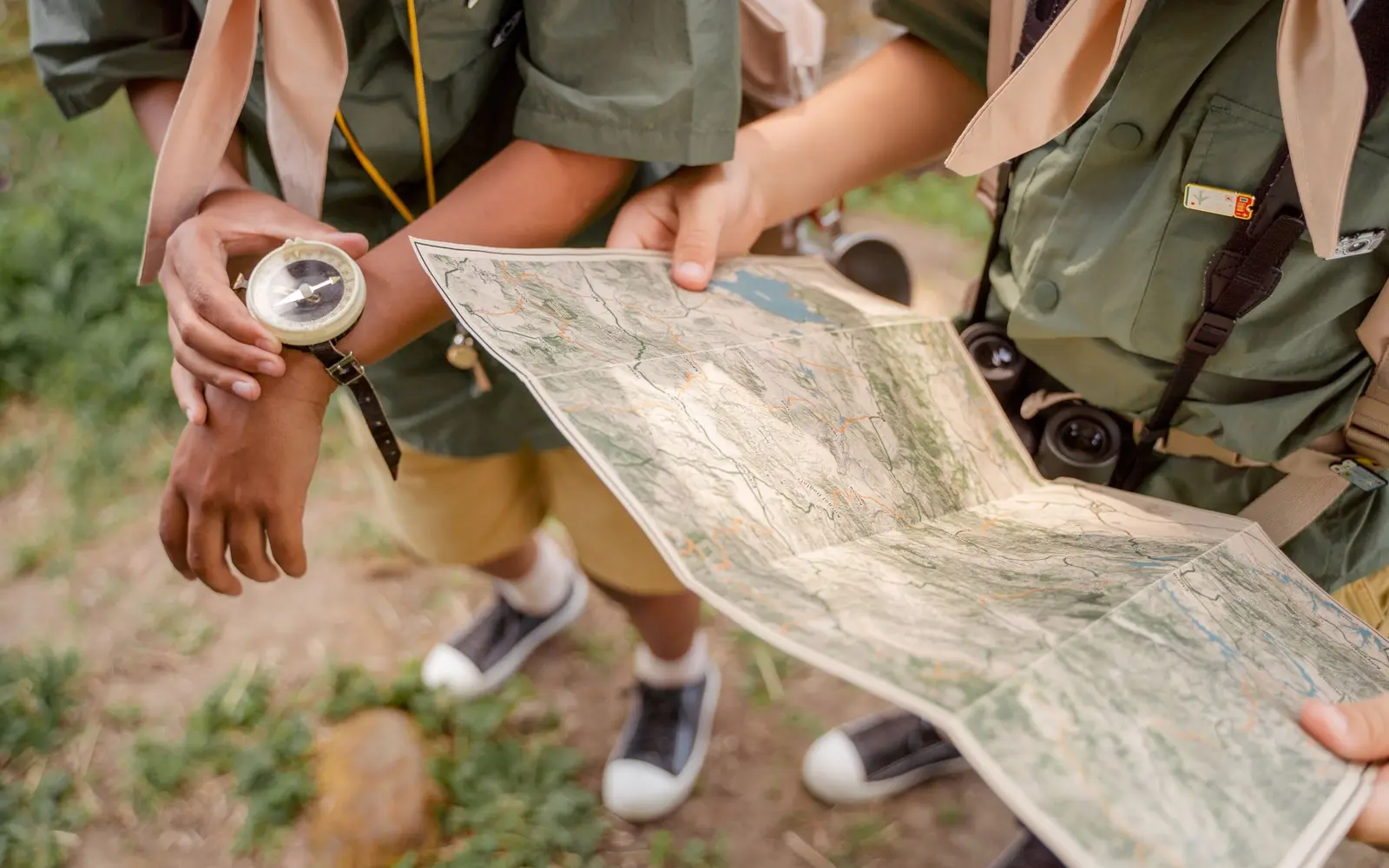
06Lighting, Navigation and Safety
Headlamps, map-and-compass skills, first aid and emergency communication for foggy forests and short autumn days.
+Ten essentials kit
Build the grab-and-go safety kit that rides in every daypack.
✓Weekend list
A printable-style checklist for two nights out.
Think in systems, not single items
A warm sleeping bag cannot fix a cold pad, and a premium rain jacket cannot fix a pack with no liner. Our guides are written to help you see how gear categories work together. Start with the category where you were least comfortable on your last trip, then work outward.
We focus on features, fit and care rather than specific brands or prices, because the right choice depends on your trips, your body and your budget. Whatever you choose, always check current regulations, campground rules and weather before heading out.