Sleeping Bags & Pads: Warm Sleep in Damp Country
Temperature ratings, down vs. synthetic in damp air, and why your pad matters as much as your bag.
A good night's sleep is what makes the next day of hiking, paddling or simply hanging around camp enjoyable. In the Pacific Northwest, the challenge is rarely deep cold. It is the combination of moderate temperatures, persistent dampness and cold ground that slowly pulls warmth from you all night. A sleep system built for these conditions looks a little different from one built for dry desert nights.
Think of your bag, your pad and what you wear to bed as one system. Each part covers for weaknesses in the others.
Understanding temperature ratings
Many sleeping bags are tested to a standardized method (EN or ISO 23537) that produces a comfort rating and a limit rating. The comfort figure describes the temperature at which a typical person who tends to sleep cold should feel comfortable in a relaxed position. The limit figure describes where a typical warm sleeper can sleep curled up for a full night without being comfortable.
- If you sleep cold, shop by the comfort rating.
- If you sleep warm, the limit rating gives a rough idea of where the bag tops out.
- Pick a bag rated a few degrees below the coldest night you realistically expect, because damp air and wind make the same temperature feel colder.
For summer trips at low elevation along the coast or in the Gorge, a lighter bag is often enough. Shoulder-season nights in the Cascades can dip near freezing even in early autumn, so a warmer bag or a liner earns its place.
Down or synthetic in a damp climate?
Down
Down offers excellent warmth for its weight and compresses small, and it lasts many years with care. Its weakness is moisture: when down gets wet it clumps and loses loft. Many bags now use down treated to resist moisture, and many shells have water-resistant finishes. These help with condensation and humid air, but they do not make down waterproof.
Synthetic
Synthetic insulation is bulkier and heavier for the same warmth, and it gradually loses loft over years of compression. In exchange, it keeps more of its insulating ability when damp and dries faster. For car camping, coastal trips, canoe outings or anyone hard on gear, synthetic is a practical, forgiving choice.
There is no single right answer. Many Northwest backpackers happily use down and simply manage moisture carefully: they ventilate the tent, keep the bag in a waterproof liner or dry bag inside the pack, and air it out when the sun appears.
Your pad matters as much as your bag
When you lie down, your body weight crushes the insulation underneath you, so most of the warmth below you comes from the pad, not the bag. Cold ground, especially damp soil, can make a warm-rated bag feel inadequate if the pad is thin.
R-value
Pads are commonly labeled with an R-value, a measure of resistance to heat flow tested under a standardized method (ASTM F3340). Higher numbers insulate better. A summer pad might sit at the low end of the scale, while a pad for frosty shoulder-season nights should be noticeably higher. R-values from different pads can be added together when stacked, which is why some campers pair a closed-cell foam pad with an inflatable one in colder months.
Pad types
- Closed-cell foam: cannot puncture, works as a sit pad and backup layer, but is bulky and firm.
- Self-inflating: foam core plus air; comfortable and durable, heavier than pure air pads.
- Insulated air pads: very comfortable and compact; carry a patch kit and protect them from sharp debris.
For car camping, a wide, thick pad or a camp mattress with good insulation makes a large comfort difference. Uninsulated air mattresses feel soft but can be surprisingly cold, because the air inside circulates and carries heat away.
If you wake up cold from below, add foam under you before you add layers on top. A cheap closed-cell pad under an inflatable one is one of the most effective warmth upgrades you can make.
Shape, fit and features
A mummy shape keeps air space small, which makes it efficient to heat. Rectangular bags give more room to move and can often unzip into a blanket for warm nights. Semi-rectangular designs sit between the two.
- Fit: too tight compresses insulation; too roomy leaves cold air pockets. Try lying in the bag if you can.
- A draft collar around the shoulders and a well-shaped hood keep warm air from escaping.
- Anti-snag zippers and a zipper draft tube reduce cold spots along the side.
- Quilts are a lighter alternative for backpackers who sleep on their back and want freedom of movement; they rely on a good pad and pad straps to stop drafts.
Layering and liners
Clean, dry sleep clothes are part of your system. Change out of damp hiking layers before getting into your bag, because moisture you bring in stays with you. A warm hat and dry socks help more than people expect.
Liners add a few degrees of warmth, keep the bag cleaner and are easy to wash. A fleece or synthetic liner adds the most warmth; silk or thin synthetic liners mainly help with hygiene.
Keeping your sleep system dry and lofty
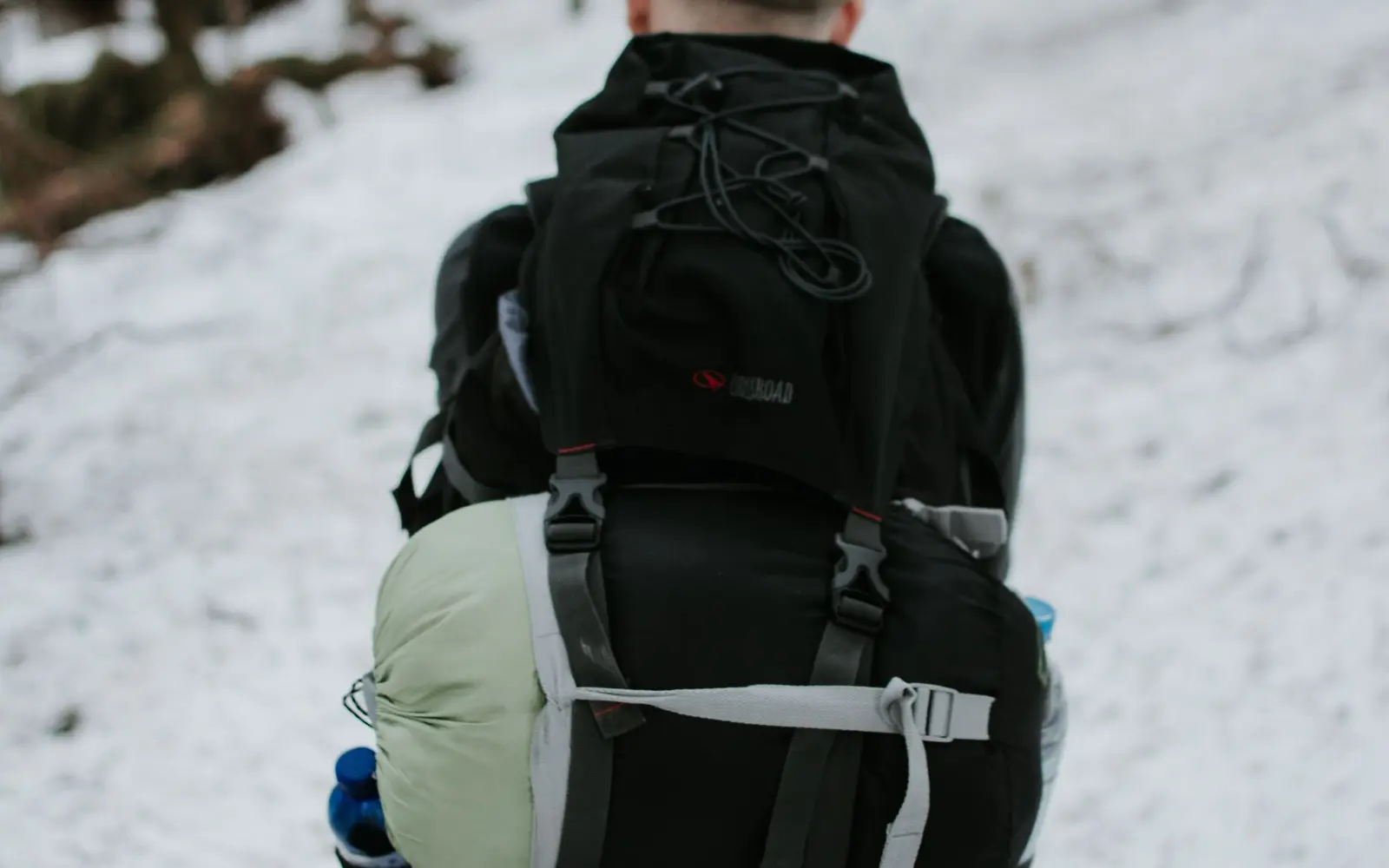
- Pack your bag inside a dry bag or a pack liner, not just a stuff sack.
- In the morning, open the bag and let it vent while you make breakfast.
- When the sun comes out, drape the bag over the tent or a clean branch for twenty minutes.
- At home, store bags uncompressed in a large breathable sack or hang them in a closet.
- Wash only when needed, using a cleaner made for down or synthetic insulation and drying thoroughly on low heat.
With a properly rated bag, an insulated pad and a few habits for managing moisture, Northwest nights become something to look forward to. You will wake up warm, listen to the rain on the fly and enjoy your coffee rather than counting the hours until dawn.