The Weekend Camping Packing List (Northwest Edition)
A weekend trip is the sweet spot for most campers: long enough to settle in, short enough to plan in an evening. The hardest part is remembering everything. This list is designed for a two-night car camping trip at a developed campground in Oregon or Washington, with notes for rainy weather. Copy it, adjust it for your family and keep it in your gear bin.
How to use this list
Pack by category into bins or bags, not by person. A "kitchen bin" and a "sleep bag" are easier to find and check than a pile of mixed items. Check items off as they go into the car, not as you find them in the house.
Shelter
- Tent with poles, stakes, fly and footprint
- Extra stakes suited to the ground (sand or forest duff)
- Tarp with ridgeline cord and a few extra lengths of cord
- Small mallet or rock for stakes
- Small whisk broom and cloth for wiping the floor
Sleep
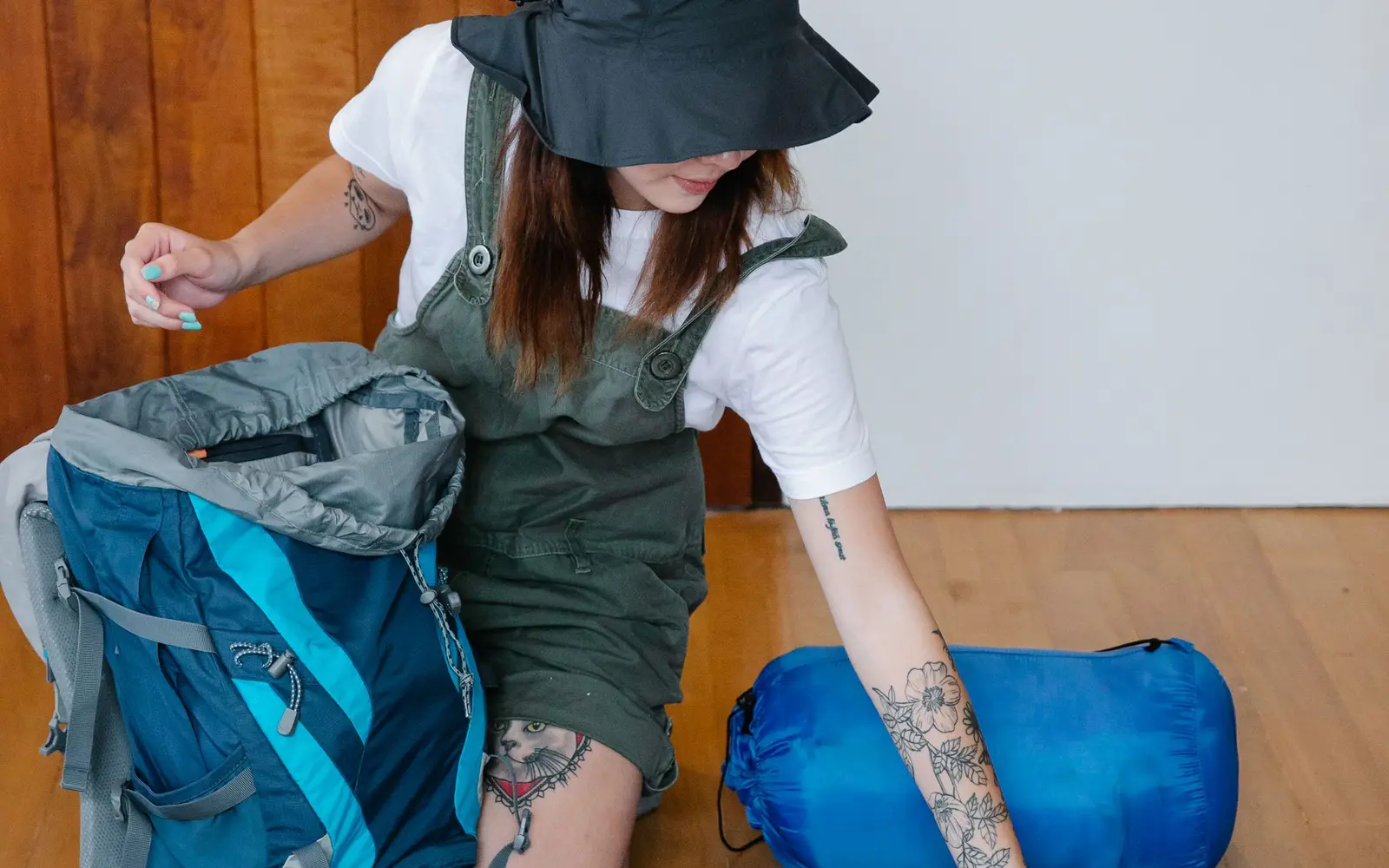
- Sleeping bag rated for the coldest expected night
- Insulated sleeping pad or camp mattress (and pump if needed)
- Pillow or stuff sack filled with clothes
- Dry sleep clothes, warm hat and socks in a dry bag
- Earplugs for busy campgrounds
Kitchen
- Stove, fuel and lighter plus backup matches
- Pots, pan, lids and utensils
- Plates, bowls, mugs and cutlery
- Cooler with ice and a separate drinks cooler if possible
- Water jugs and water treatment if needed
- Wash basin, biodegradable soap, sponge, scraper and towel
- Trash and recycling bags
- Food stored in bins that latch
Prepare and freeze meals at home in flat bags. They keep the cooler cold and turn dinner into a quick reheat instead of chopping vegetables in the rain.
Clothing
For a Northwest weekend, assume cool mornings, possible rain and changing temperatures, even in summer.
- Moisture-wicking base layers (no cotton for active wear)
- Fleece or synthetic insulating layer
- Warm jacket for evenings
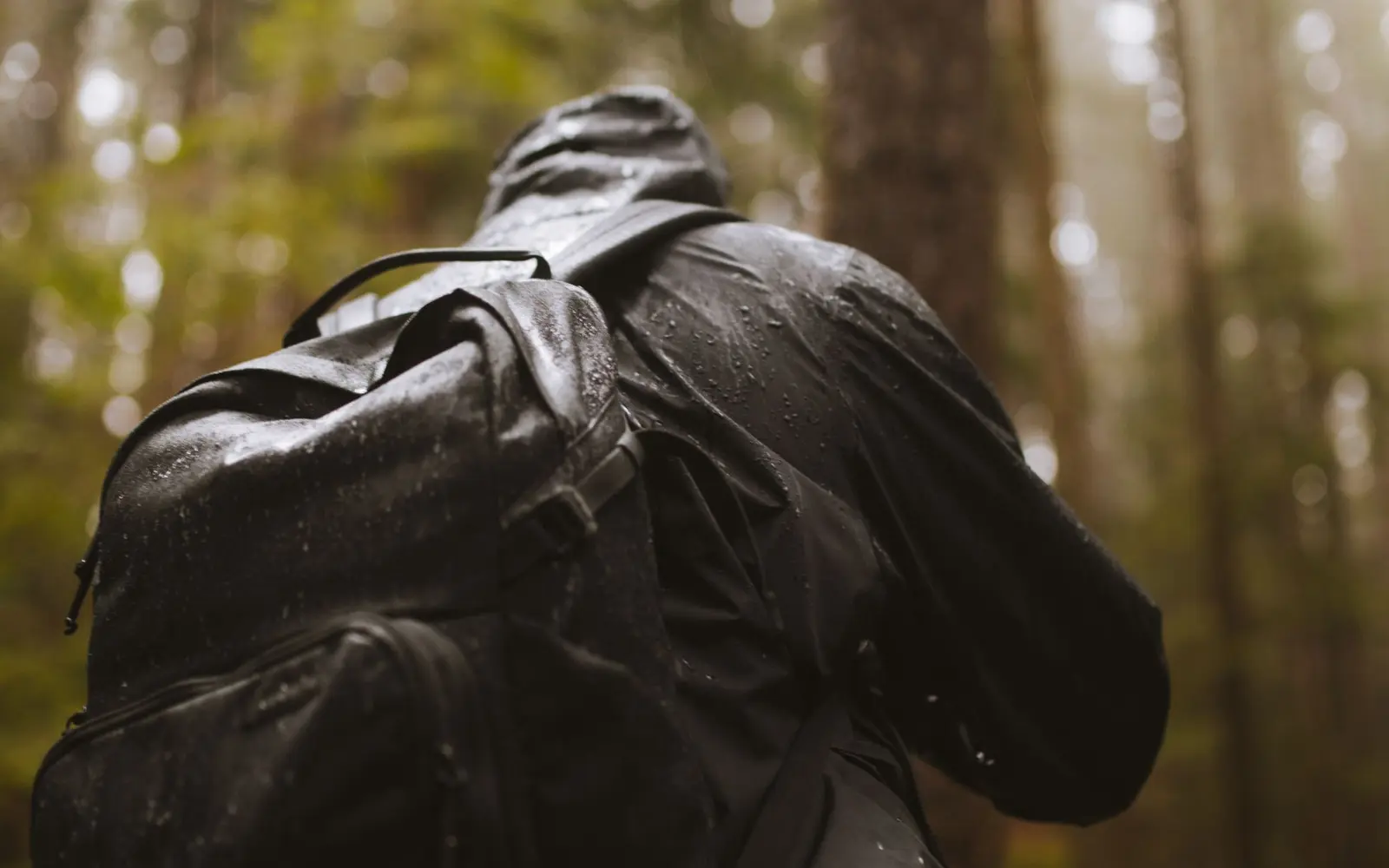
- Rain jacket and rain pants
- Hiking pants or shorts and a spare pair
- Extra socks, at least one pair per day plus spares
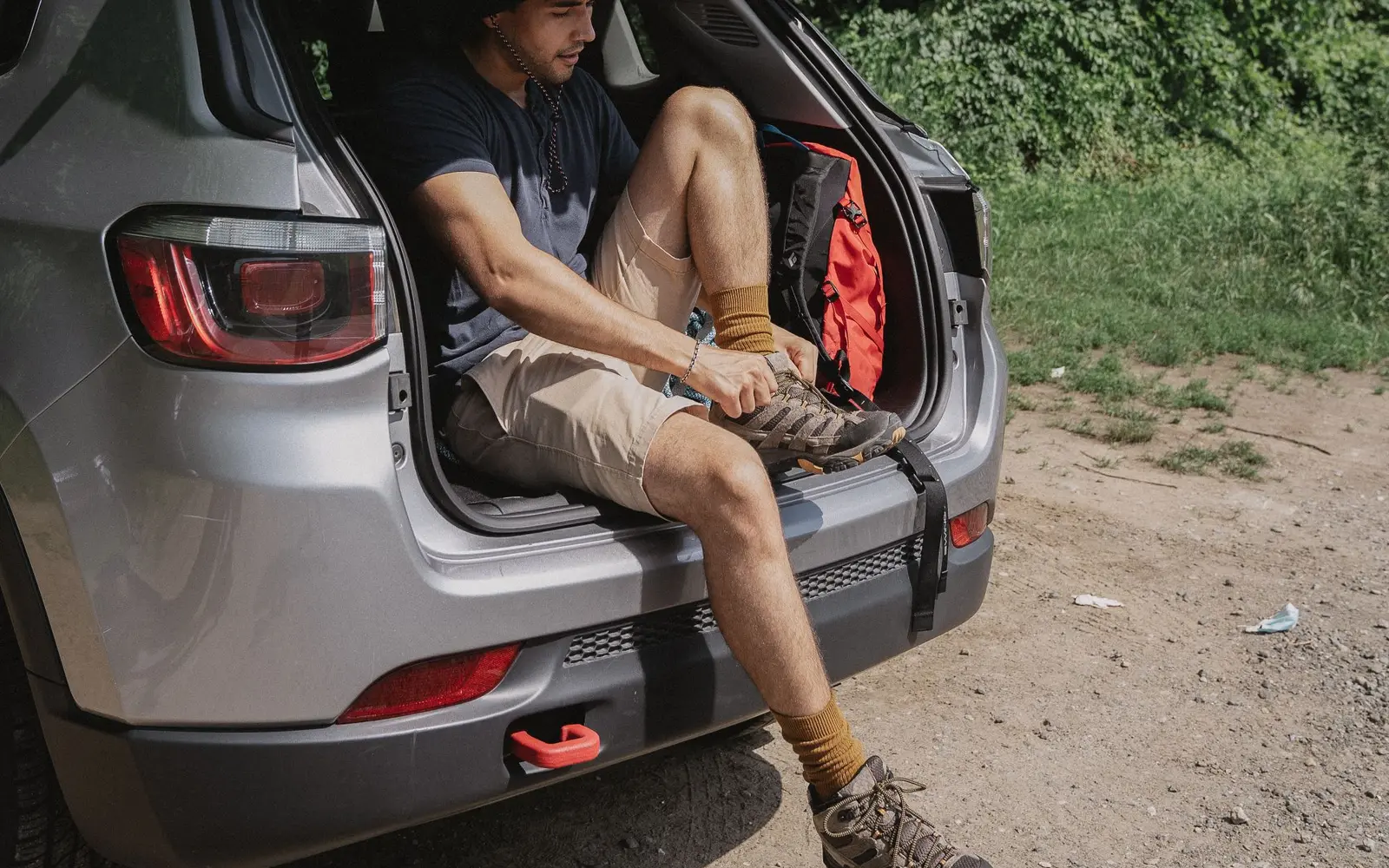
- Hiking shoes or boots plus camp shoes or sandals
- Hat, gloves and sun hat
Lighting and navigation
- Headlamp for each person with charged batteries
- Lantern or clip-on light for the tarp
- Map of the area and printed campground info
- Phone with offline maps and a power bank
Health and safety
- First-aid kit and personal medications
- Sunscreen, lip balm and sunglasses
- Insect repellent
- Hand sanitizer and toilet paper
- Knife or multitool and gear repair tape
- Whistle for each child
Camp comfort
- Camp chairs
- Small table if the site has no picnic table
- Tablecloth with clips
- Quick-drying towels
- Book, cards or a simple game
- Small daypack for hikes
Rainy weekend extras
If the forecast is wet, add these items. They take little space and make a huge difference.
- Second tarp to cover the tent entrance or the picnic table
- Extra dry bags for clothes and sleeping bags
- Large plastic tub for muddy boots
- Extra fire starter if fires are allowed
- Additional dry socks and an extra warm layer
- Paper towels and a few large trash bags for wet gear
Food planning for two nights
A weekend usually means two breakfasts, two lunches, two dinners and plenty of snacks. Keep the menu simple and lean on make-ahead meals.
- Breakfasts: oatmeal with dried fruit, breakfast burritos prepared at home and reheated, or pancakes from a pre-mixed batter in a bottle.
- Lunches: wraps, cheese, crackers, cured sausage, fruit and vegetables that travel well.
- Dinners: a pot of chili or stew made at home and frozen flat, and a simple pasta night.
- Snacks: trail mix, bars, chocolate and something salty.
- Drinks: coffee or tea, hot chocolate for chilly evenings and plenty of water.
Pack ingredients by meal in labeled bags so nobody has to dig through the cooler in the dark.
Packing the car
Load heavy bins low and toward the center, and keep the items you need first on top or near the door: the tarp, tent, headlamps and a snack bag. If rain is likely, pack the tarp last so it comes out first. Keep a small "arrival bag" in the cabin with rain jackets, a lighter, a headlamp and the campground details so you can start setting up immediately.
Before you leave home
- Check the forecast, fire restrictions and road or campground alerts.
- Confirm your reservation and check-in times if your campground requires one.
- Leave a trip plan with someone: where, when and who.
- Charge headlamps, phones and power banks.
- Fill the car's fuel tank; services can be far apart.
Packing with kids
Children add a few items to the list, but they also make great helpers. Give each child a small bag of their own with a headlamp, whistle, warm hat, spare socks and a favorite snack, and let them check items off the list. Pack an extra complete change of clothes for younger kids, because puddles and creeks are irresistible. A small tarp or blanket for play near the tent and a simple nature guide or scavenger list keep everyone busy while dinner cooks.
After you get home
Dry everything, clean the kitchen gear and restock the bins right away. Add anything you wished you had brought to the list. After a few weekends, your list will become perfectly tailored to how you and your group like to camp.
Quick FAQ
How many changes of clothes do I need for a weekend?
Usually one set of active clothes, one dry camp set, plus extra socks and an extra warm layer is enough.
What do people forget most often?
Headlamps, lighters, a can opener, extra stakes and dry socks are common oversights.
Should I bring a cooler on a rainy trip?
Yes, but keep it closed and in the shade or car, and drain melted ice regularly so food stays dry.