Wet-Weather Camping in the Pacific Northwest: A Practical Field Guide
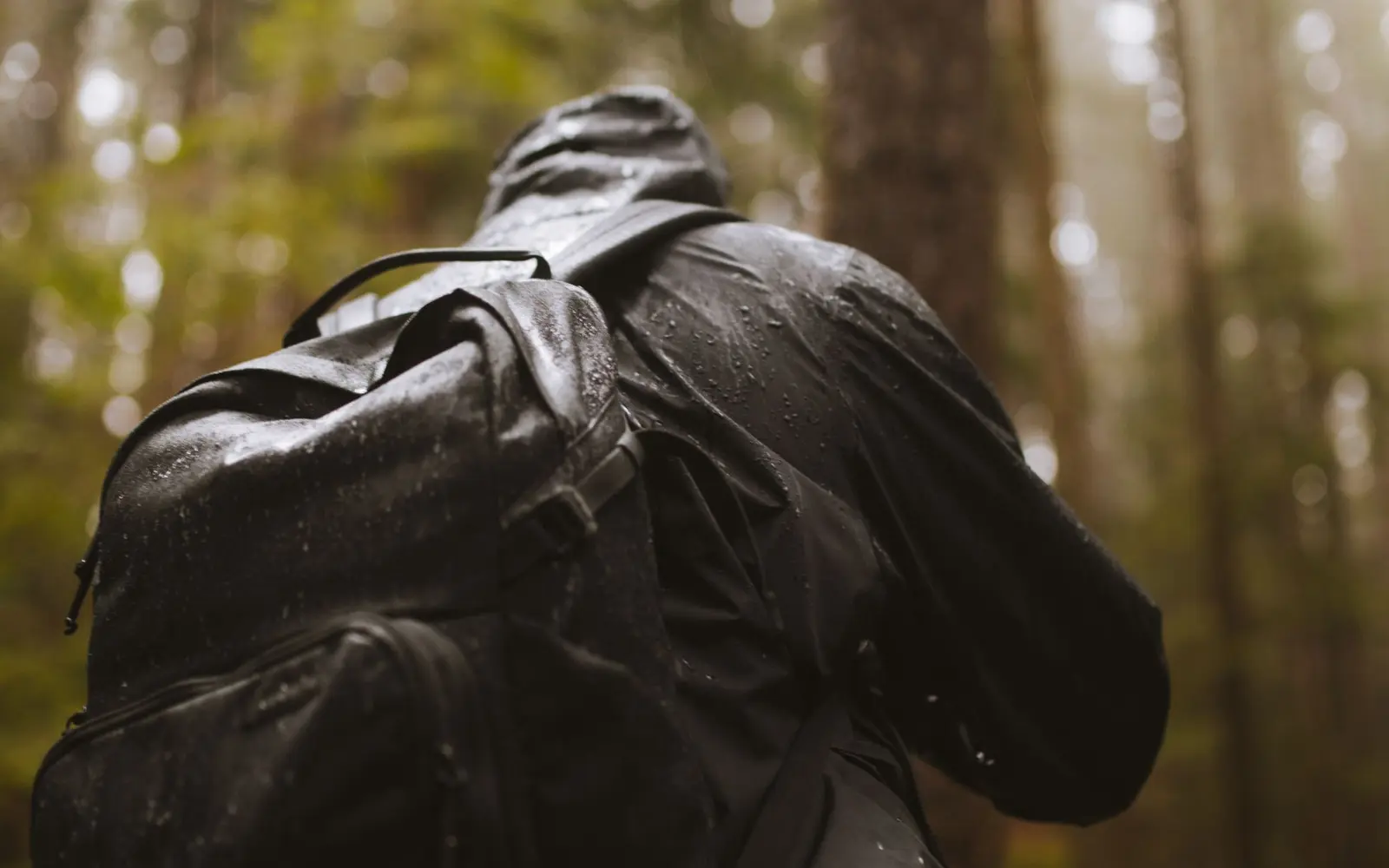
If you only camp in the Pacific Northwest when the forecast is perfectly dry, you will spend a lot of weekends at home. From October through June, and on plenty of summer mornings along the coast, rain and drizzle are simply part of the landscape. The good news is that wet-weather camping is a skill, not a matter of luck. With a few systems in place, a rainy trip can be cozy, calm and memorable for the right reasons.
This guide gathers the habits that make the biggest difference, from choosing a campsite to getting gear dry when you get home.
Read the forecast like a camper
"Rain" in a Northwest forecast can mean anything from light mist to an atmospheric river. Before you go, look at more than the icon.
- Rainfall amounts: a few hundredths of an inch is drizzle you can live with; inches of rain can mean rising rivers and saturated ground.
- Wind: rain plus strong wind is far harder than rain alone, especially on exposed coast and ridgelines.
- Snow levels: in spring and autumn, Cascade passes and higher campgrounds can switch to snow.
- Timing: a dry window for setup and takedown makes the whole trip easier.
Also check for road, campground and trail alerts. Heavy rain can trigger washouts and closures on forest roads.
Choose your campsite with water in mind
Where you pitch matters more than what you pitch. Look at the ground and imagine where water will go when it has been raining for six hours.
- Pick slightly raised, well-drained ground. Avoid flat spots that look compacted and smooth; they are often old puddles.
- Do not camp in dry creek beds or at the bottom of slopes.
- Look up. Wet, heavy branches fall more often in wind and rain, so avoid pitching under dead limbs or leaning trees.
- Use established tent pads where available. They drain better and protect plants.
- A little tree cover reduces direct rain and wind, but trees drip long after the rain stops.
Set up the tarp first
The single most useful piece of wet-weather equipment is a tarp. Pitch it before anything else, so you have a dry place to stage gear, set up the stove and take a breath.
Tarp basics
- Run a ridgeline between two trees and drape the tarp over it, angled so rain runs off away from your sitting area.
- Keep one side low toward the wind and the other side higher for headroom.
- Avoid flat pitches; water pools and stretches the fabric.
- Add a short drip line on the ridgeline cord so water does not run along it to the center.
Tarp first, tent second, food third. A dry staging area under a tarp keeps the inside of your tent dry and gives everyone a place to stand while camp goes up.
Pitching the tent without soaking it
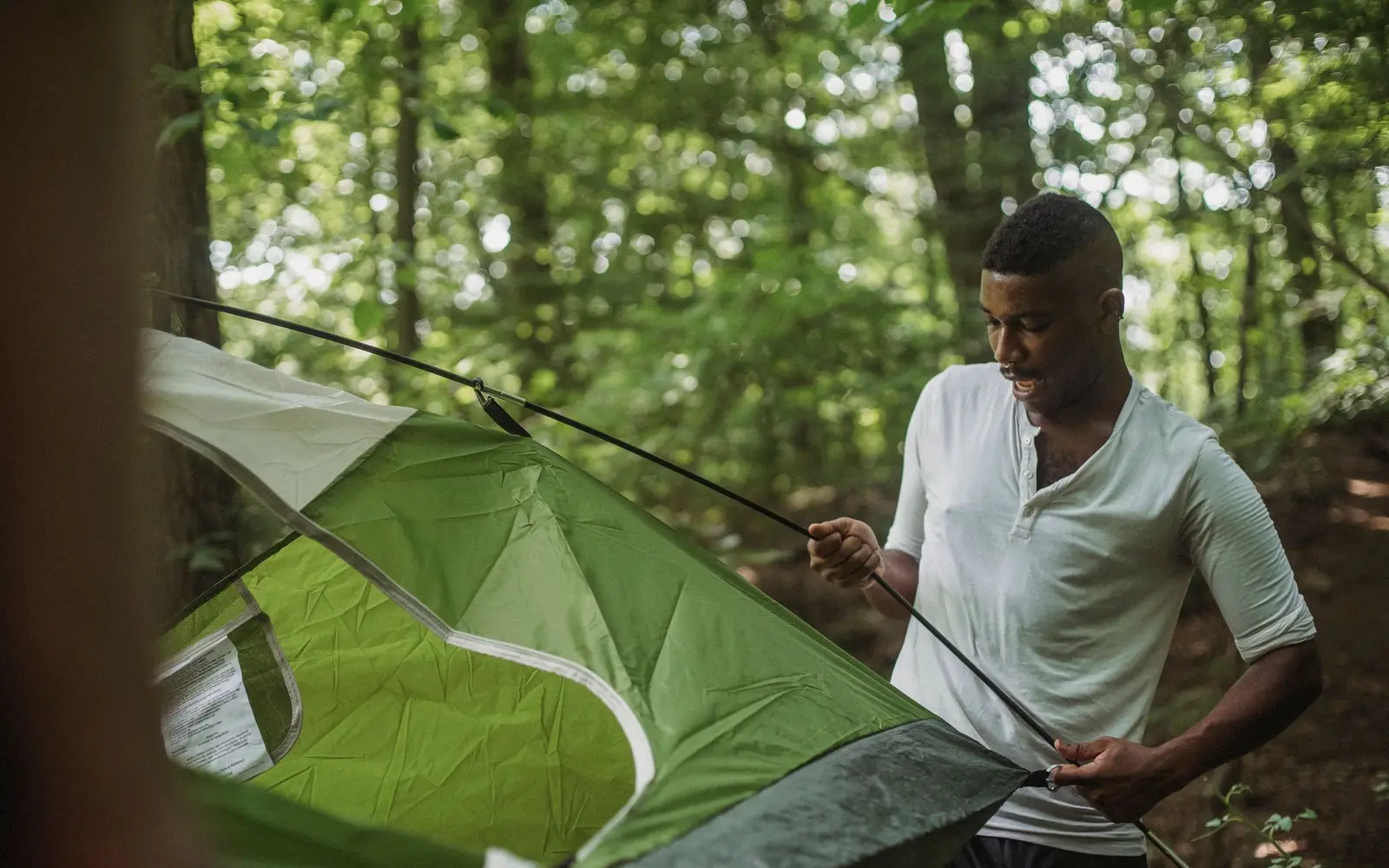
Know your tent before you go. If it can pitch fly-first, practice that at home. If the inner tent and fly go up separately, keep the inner tent rolled inside the fly until the last moment and work quickly.
- Lay out the footprint so it is completely tucked under the tent floor.
- Stake the corners firmly and guy out the fly so it stays taut and away from the inner wall.
- Keep wet rain gear and boots in the vestibule, not inside the sleeping area.
- Bring a small towel or a cloth to wipe up drips before they spread.
Condensation: the rain inside your tent
When the air outside is cool and saturated, your breath and the moisture from damp clothes condense on the inside of the fly. It can feel like a leak, but the cause is ventilation, not fabric failure.
- Open the vents and top of the doors, even when it is raining.
- Avoid cooking or drying wet clothes inside the tent.
- Wipe the inside of the fly in the morning with a small absorbent cloth.
- Pitch where some breeze moves through, rather than in a completely still hollow.
Dress for damp, not for dry
Staying warm when damp is the real goal. Wear a wicking base layer, a fleece or synthetic insulating layer that works when wet, and a rain shell with good venting. Keep one set of dry clothes and socks sealed in a dry bag and only wear them in camp or in your sleeping bag.
Your "camp clothes" are sacred. Once they are dry and on, do not wear them out into the rain unless you have to. Put the wet layers back on in the morning; they warm up fast once you move.
A warm hat, a light pair of gloves and camp shoes or sandals that can get wet make long evenings far more comfortable.
Cooking and eating in the rain
Plan simple, hot meals that need little prep: soups, stews, pasta, rice dishes and hot drinks. Cook under the tarp at its open edge, never inside the tent. Keep a lid on the pot, organize food in waterproof bags, and pack a few extra snacks. Eating regularly is one of the best ways to stay warm.
Sleeping warm
- Use an insulated pad. Cold, wet ground drains warmth fast.
- Change into dry clothes before bed and go to sleep warm; a short walk or a hot drink helps.
- Keep the sleeping bag away from wet tent walls.
- Fill a heat-safe water bottle with hot water and keep it in your bag.
Breaking camp in the rain
Pack the inside of the tent first while it is still covered: sleeping bags in dry bags, pads deflated, clothes packed. Then take down the inner tent and fly. Keep the wet fly separate from everything else in an outside pocket or a separate bag. Take the tarp down last so you have shelter until the very end.
Dry everything at home
This step protects your investment. As soon as you get home, set up the tent or hang the fly, inner tent and footprint indoors or in a garage. Unzip sleeping bags and hang them. Open your pack and let it dry inside out. Damp gear stored for even a few days can mildew and break down waterproof coatings.
Quick FAQ
Is it safe to camp in heavy rain?
Light and moderate rain is manageable with the right gear, but heavy rain combined with strong wind, flood warnings or forest road alerts is a good reason to postpone. Rivers rise and roads can wash out.
How do I keep my sleeping bag dry?
Pack it in a dry bag inside a pack liner, keep it away from tent walls, and only get into it in dry clothes.
Can I cook in my tent vestibule?
Running a stove in or near a closed tent risks carbon monoxide poisoning and fire. Cook under a high, well-ventilated tarp instead.