Renting vs. Buying Camping Gear: How to Decide
A first camping trip can come with a long gear list and a lot of decisions. Do you need to buy a tent, sleeping bags, pads, a stove and a cooler right away? Not necessarily. Many outdoor retailers, university outdoor programs and community organizations rent camping gear, and friends and family often have equipment sitting in a garage.
Here is a simple way to decide what to rent, what to borrow and what to buy.
Why renting can make sense
- Testing a new activity: if you are not sure how often you will camp, renting lets you try it before committing.
- Trying a style before buying: renting a lightweight backpacking tent for one trip tells you a lot about whether you like that design.
- Specialized or occasional gear: snowshoes, bear canisters, large group tents or winter sleeping bags may only be needed once or twice a year.
- Storage limits: if you live in a small apartment, renting bulky items can be easier than storing them.
- Travel: flying in to camp? Renting near your destination saves hauling gear through airports.
When buying usually wins
- You camp regularly: if you go out several times a season, owning gear quickly becomes simpler and often more economical over time.
- Fit and personal comfort matter: boots, backpacks and sleeping pads are very personal. Owning lets you dial in fit.
- Hygiene items: many people prefer to own anything that sits against skin, such as base layers and sleeping bag liners.
- Spontaneous trips: owning gear means you can leave on short notice when a dry weekend appears.
Ask two questions: "How many times will I use this in the next year?" and "How much does fit or personal preference matter?" High frequency and high fit sensitivity point toward buying.
A practical split for beginners
Consider buying first
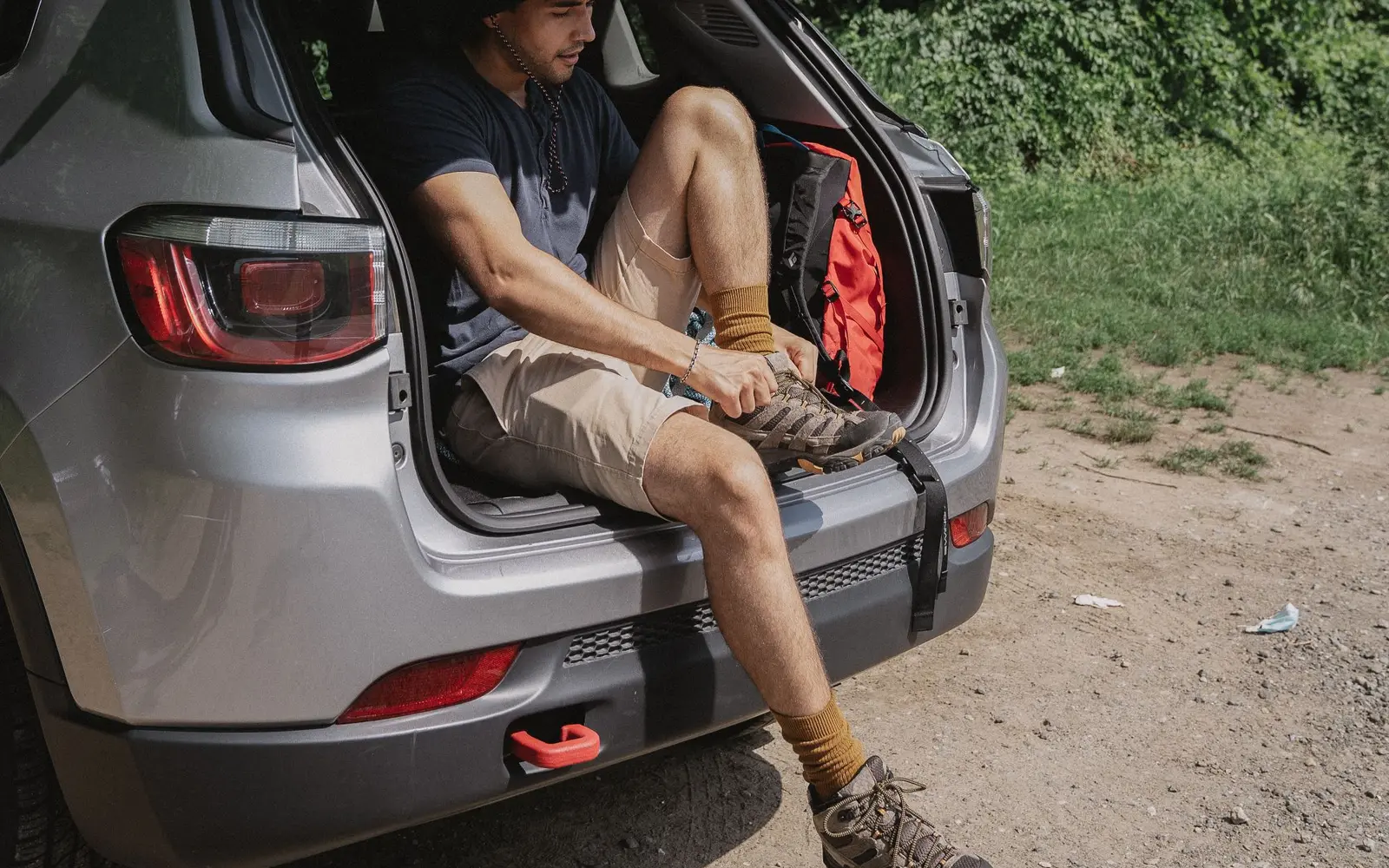
- Footwear that fits well and is broken in.
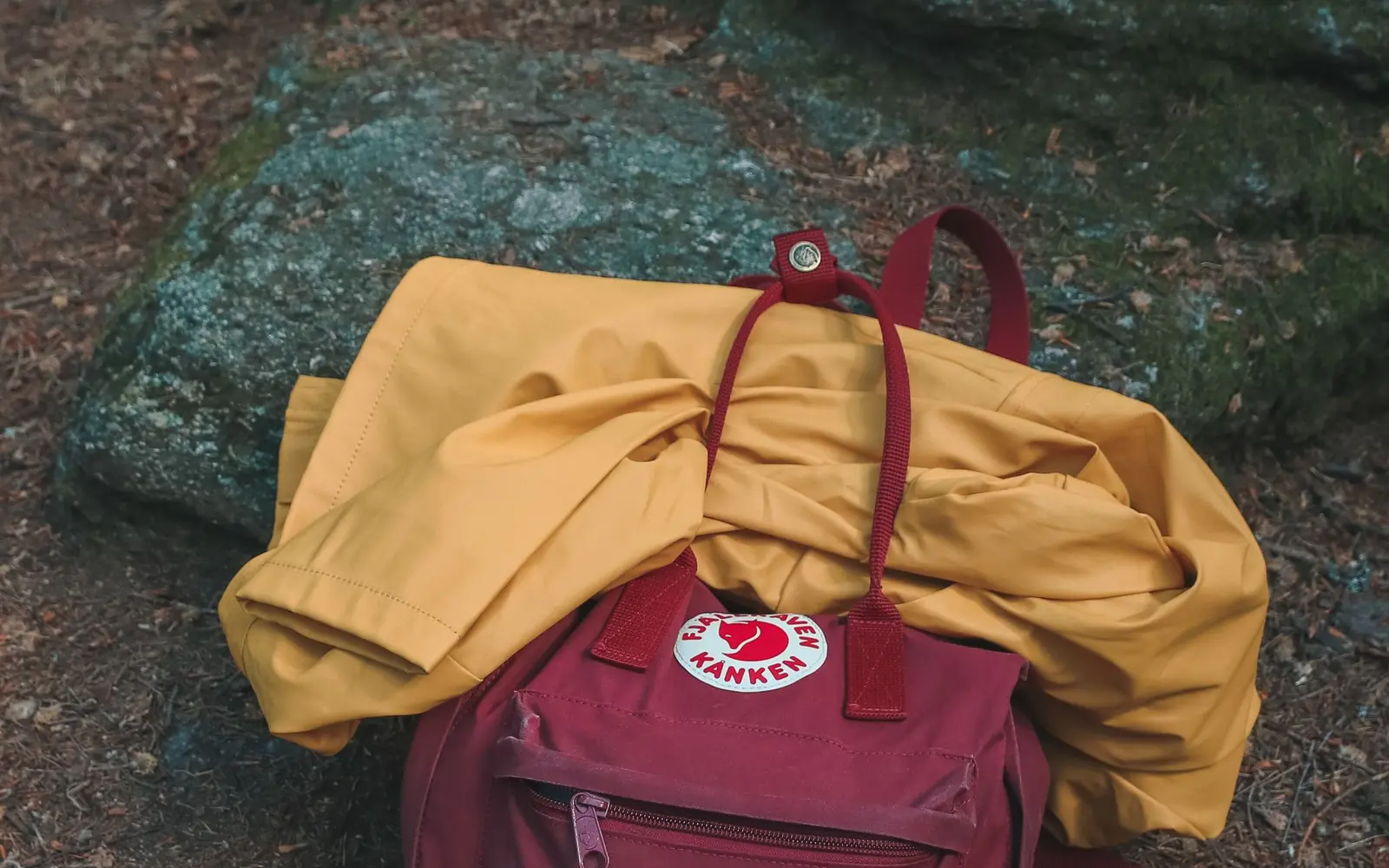
- Rain jacket and basic layers you can also use around town.
- Headlamp, water bottles and a basic first-aid kit.
- A sleeping pad, if you find one comfortable for you.
Consider renting or borrowing first
- Tents, until you know what size and style you prefer.
- Backpacking packs, until you know your torso fit and capacity needs.
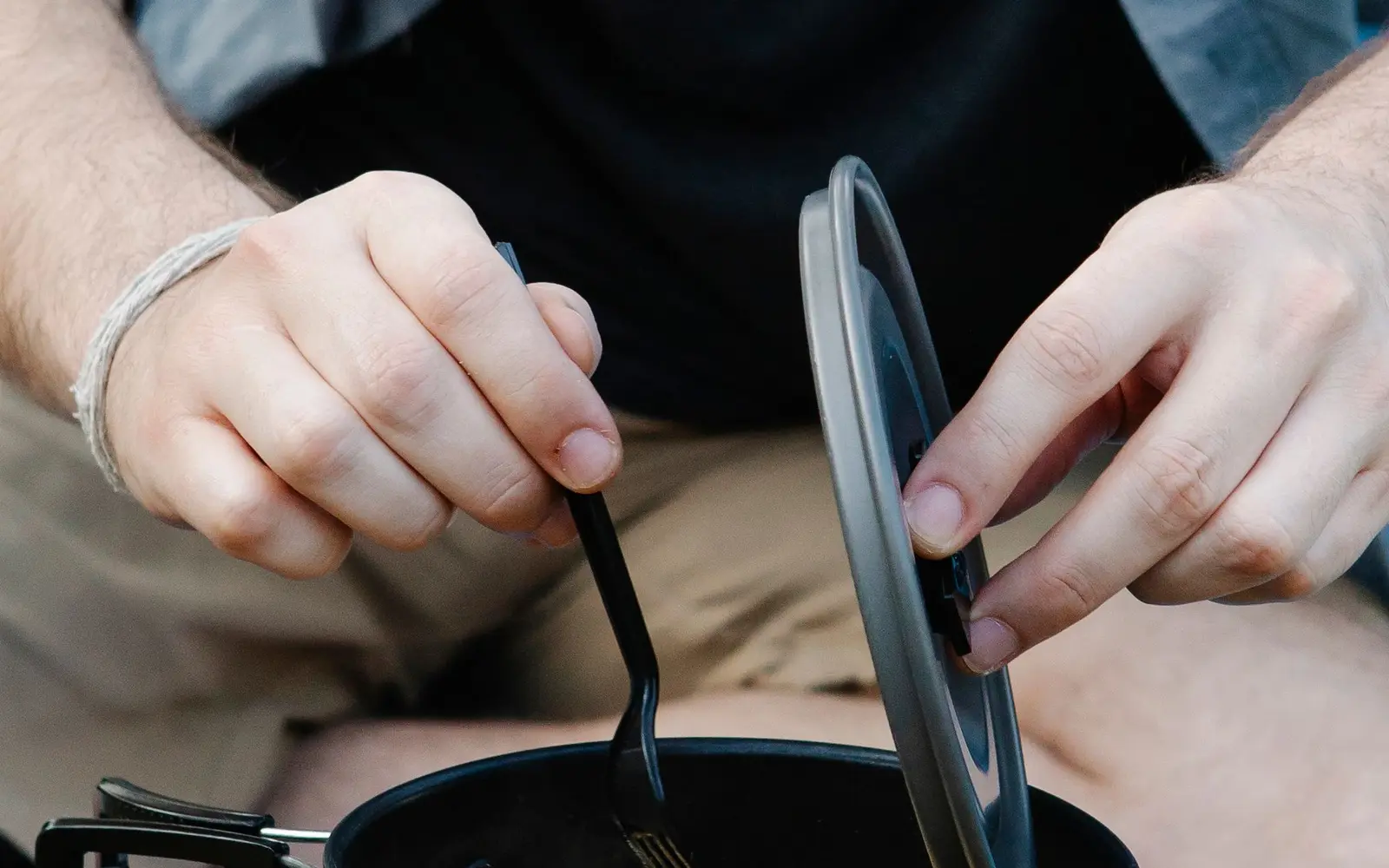
- Stoves and cook kits for your first few trips.
- Seasonal or specialized items such as snowshoes or warmer sleeping bags.
What to check when you rent
Rental gear varies in condition. Check it carefully before you leave the shop, because it is much easier to swap a part in town than to discover a problem at a dark campsite.
- Set up the tent if possible, or at least count poles, stakes, the fly and the footprint.
- Test stove ignition and check what fuel type it uses.
- Inflate pads and listen for leaks.
- Confirm pickup and return times, cleaning expectations and what happens if something is damaged.
- Ask about drying expectations; many shops want tents returned dry or will charge for drying.
Questions to ask yourself before buying
- Have I used this type of gear enough to know what I like and dislike?
- Will it suit most of the trips I actually take, not the one dream trip?
- Do I have a dry, cool place to store it?
- Am I willing to clean, dry and maintain it after each trip?
- Could a smaller, cheaper fix solve the same problem?
Borrowing from friends
Borrowing is a great way to start, but treat borrowed gear with extra care. Return it clean, dry and complete, ideally with a thank-you snack. Ask about any quirks before you go, such as a tricky zipper or a pole that needs a certain order.
Buying used gear
Used gear can stretch a budget. Gear swaps, consignment sections of outdoor shops and online marketplaces often have well-kept items.
- Tents: check for a sticky or flaking coating, mildew smell, torn mesh and complete poles.
- Sleeping bags: look for even loft and a working zipper; avoid bags that smell musty.
- Packs: check that buckles, stitching and hipbelt padding are intact, and that the size fits your torso.
- Stoves: make sure all parts are present and the stove functions; avoid anything with damaged fuel connections.
The best gear is not always new gear. A well-cared-for used tent can serve you for many seasons.
Hidden costs to think about
The sticker on a piece of gear is only part of the picture. Owning gear means storage space, maintenance and occasional repairs. Renting means planning pickup and return around shop hours, possible fees for late returns or cleaning, and less flexibility for last-minute trips. Neither option is free of trade-offs.
- Owning: storage space, cleaning and drying after trips, seam sealing, replacing worn parts.
- Renting: travel time to the shop, reservation windows, condition variability, deposits.
- Borrowing: responsibility for loss or damage, and the need to return items promptly.
Thinking about these factors honestly helps you choose what fits your lifestyle, not just your budget on a given day.
Building a kit over time
Most experienced campers did not buy everything at once. They started with a few essentials, rented or borrowed the rest, learned what they liked and replaced items gradually. Keep notes after each trip: what worked, what you wished you had, what you never used. Those notes become your buying guide.
Whether you rent, borrow or buy, the goal is the same: get outside, learn what you enjoy and build a kit that fits the way you camp.
Quick FAQ
Is it cheaper to rent or buy a tent?
It depends on how often you camp. For a trip or two a year, renting may make sense; for frequent trips, owning becomes simpler and often more economical.
What should I always own?
Well-fitting footwear, a rain jacket, a headlamp and a first-aid kit are good first purchases.
Can I return rental gear wet?
Policies vary. Many shops expect tents returned dry or charge a fee, so ask before you rent.