Budget Gear Upgrades That Actually Matter
When a camping trip goes poorly, it is tempting to blame the big items and start shopping for a new tent or sleeping bag. Often the real problem is smaller: a cold pad, a dim headlamp, wet socks or tent stakes that pull out in the wind. Fixing those weak links is usually inexpensive and makes a bigger difference than replacing major gear.
Here are the upgrades that consistently improve comfort and safety for a modest outlay.
1. A closed-cell foam pad
If you sleep cold, the ground is often the culprit. A simple closed-cell foam pad placed under your existing pad adds insulation, protects an inflatable pad from punctures and doubles as a sit pad at camp. It is one of the most cost-effective warmth upgrades you can make.
2. Better tent stakes
Many tents ship with thin stakes that bend in rocky soil and pull out of sand and loose forest duff. A handful of sturdier stakes in a style suited to your usual ground improves stability in wind and helps the fly stay taut and shed rain.
3. Dry bags and a pack liner
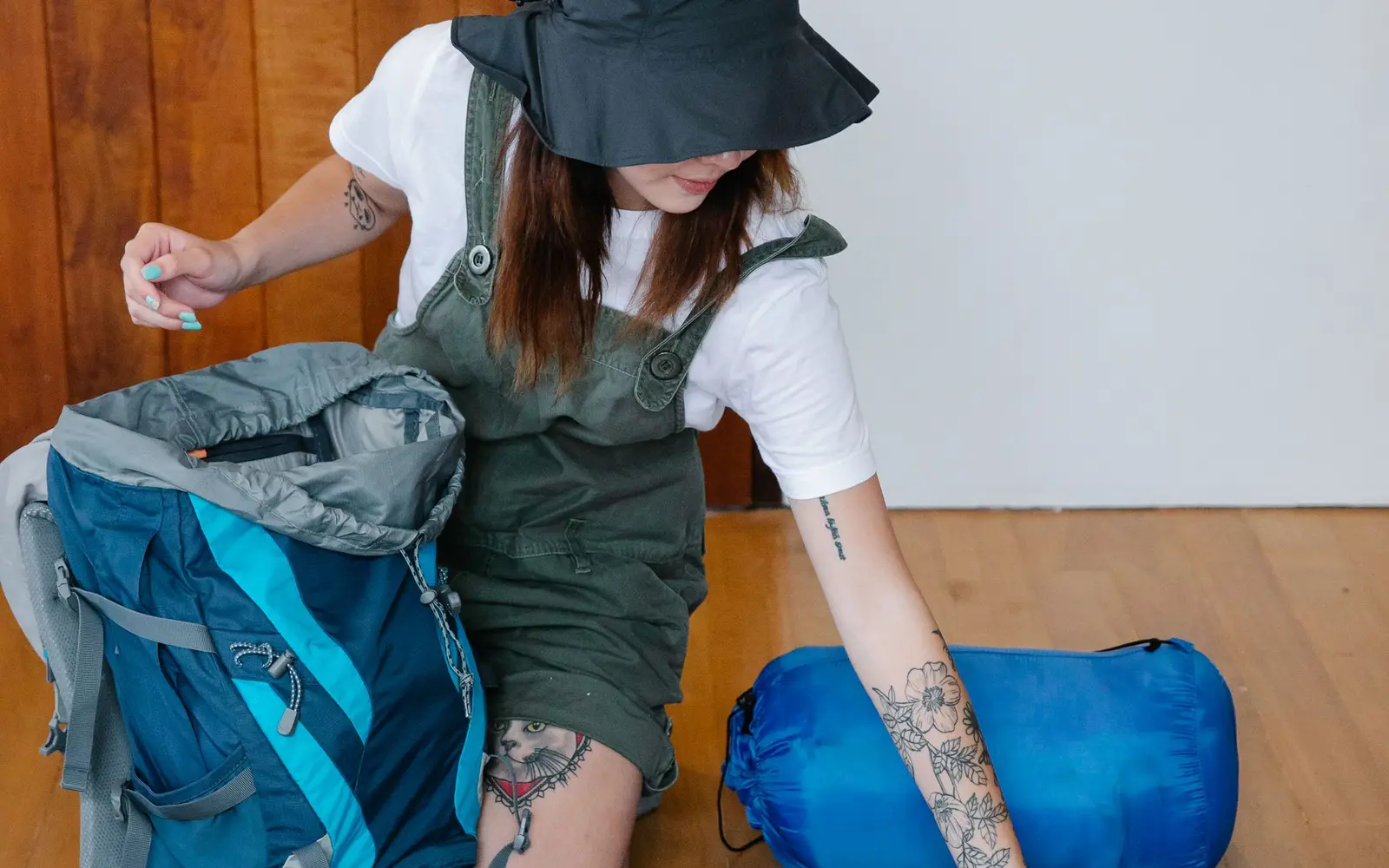
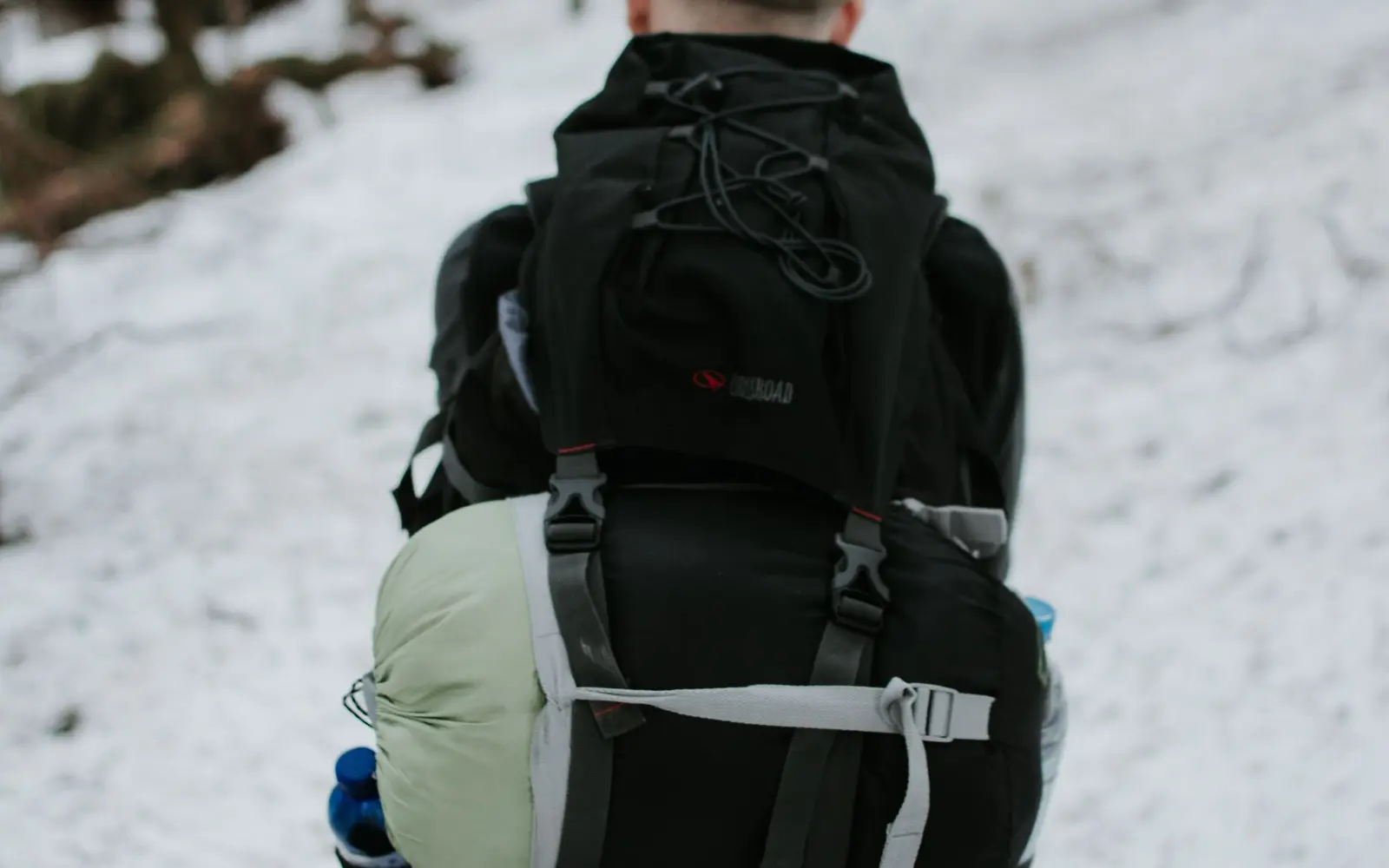
Keeping your sleeping bag and camp clothes dry is critical in the Northwest. A pack liner or heavy compactor bag inside your pack, plus a couple of lightweight dry bags for sleeping gear and clothes, protects your most important items from rain and leaks.
Use different colored dry bags for different categories: one for sleep, one for clothes, one for food. You will find things faster in a dark tent.
4. A reliable headlamp
An old, dim headlamp makes evening chores frustrating and night trails unsafe. A modern headlamp with a few brightness modes and a red light setting is a large improvement. Choose one with a power source you can easily recharge or replace.
5. Quality socks
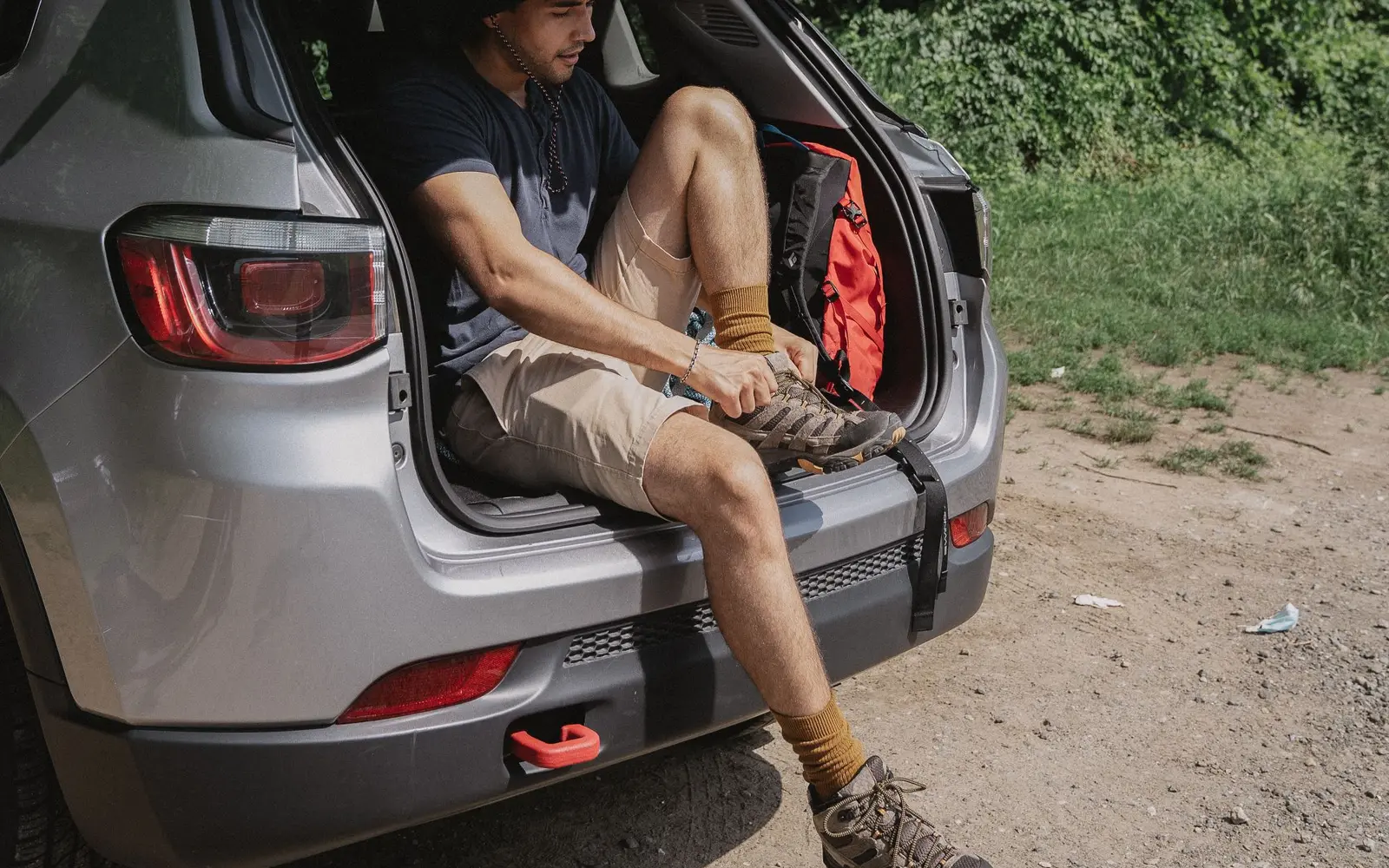
Good hiking socks in merino wool or synthetic blends reduce blisters, stay warmer when damp and dry faster than cotton. Bring at least one more pair than you think you need, and keep a dedicated dry pair for sleeping.
6. A simple tarp
A basic tarp and some cord turn a rainy campsite into a comfortable one. It creates a dry kitchen and hangout area, shelters the tent door and makes packing up in rain far easier.
7. A repair kit
A tiny repair kit can save a trip:
- Gear repair tape
- Seam sealer for home repairs
- A pole repair sleeve
- Needle and strong thread
- A few zip ties and safety pins
- Patch kit for inflatable pads
8. Organization bins
Clear plastic bins with labels for kitchen, sleep, shelter and lighting cut packing time and reduce forgotten items. Tape a checklist to the inside of each lid.
9. A camp pillow or pillow case
A small inflatable pillow or a fleece pillowcase you stuff with clothes is an inexpensive comfort upgrade that improves sleep quality more than most people expect.
10. An insulated mug and a warm hat
Warm drinks stay warm longer in an insulated mug, and a warm hat retains heat on cold evenings and in your sleeping bag. Both are inexpensive and earn their place on every trip.
Make the most of what you already own
Before buying anything, see whether better technique can solve the problem. Pitching the tent on better ground, guying it out properly and opening the vents can fix many "leaky tent" complaints. Changing into dry clothes before bed and eating a snack can make an old sleeping bag feel warmer. Refreshing the water repellent on a tired rain jacket can restore much of its performance. Learning to adjust your pack straps through the day may relieve shoulder pain without a new pack. Skills are free, they weigh nothing and they work with every piece of gear you will ever own.
Where to spend more, and where not to
Worth spending a bit more on
- Footwear that fits well.
- A rain jacket with good venting.
- A sleeping pad that suits your sleep style and the seasons you camp in.
Usually fine to keep simple
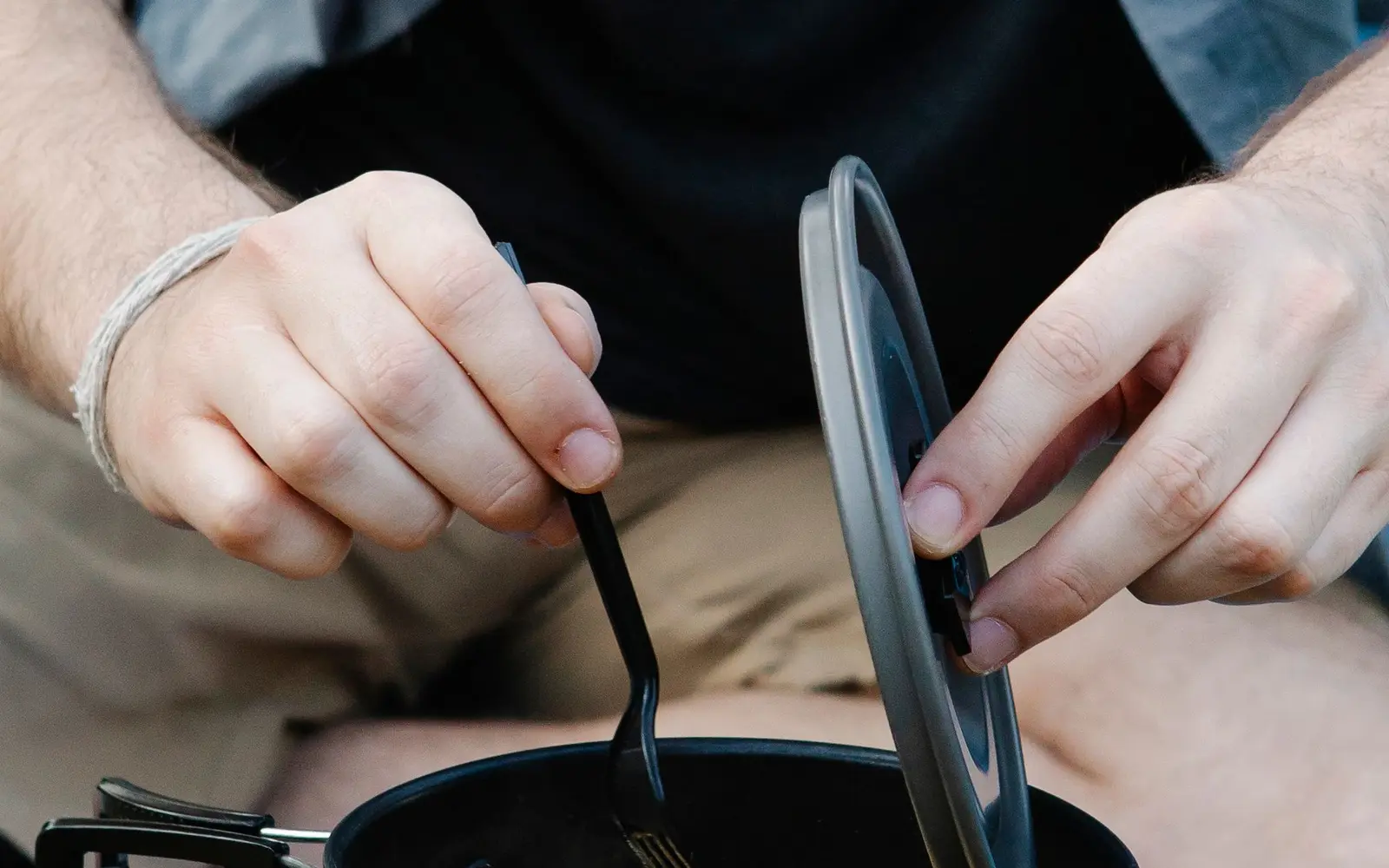
- Utensils, plates and cups.
- Camp furniture for car camping.
- Storage bins and organizers.
Before you buy anything, ask what made you uncomfortable last trip. The answer usually points to a small, specific fix.
Small upgrades for rainy trips
A few extra items cost little and make wet weekends far more pleasant:
- Spare guyline cord and a couple of line tensioners to keep flies taut.
- A small absorbent cloth for wiping condensation off the tent.
- A doormat or old towel outside the tent door.
- Waterproof stuff sacks for electronics and paperwork.
- A collapsible bucket for washing muddy boots or carrying water.
None of these are glamorous, but together they keep wet gear separate from dry gear, which is the heart of comfortable camping in the Northwest.
Upgrade by observation
Keep a notes page on your phone for each trip. Write down when you were cold, wet, frustrated or uncomfortable, and what caused it. Over a season, patterns emerge. Maybe you are always cold on your back, always searching for your headlamp, or always sitting in the rain. Fix the top problem first.
Bottom line
A comfortable camp comes from a collection of small systems working together. Upgrade your pad insulation, stakes, dry storage, lighting, socks and shelter from rain, and your existing tent and sleeping bag will feel like new gear. Save larger purchases for when you know exactly what you need.
Quick FAQ
What is the single best budget upgrade?
For many people, a closed-cell foam pad under their existing pad, because cold ground is a common cause of poor sleep.
Do I need expensive stakes?
No. You need stakes suited to the ground you usually camp on; sturdier, wider or longer stakes often help.
Is a trash bag really fine as a pack liner?
A heavy-duty compactor bag works well as a liner. Purpose-made liners are more durable but either keeps gear dry.