Camp Kitchen Setup: Cook Well, Pack Light, Leave No Trace
Stoves, fuel, cookware and food storage habits that work under a tarp in the drizzle.
Hot food changes a camping trip. After a wet day on the trail or a breezy afternoon on the beach, a warm meal and a hot drink do more for morale than almost anything else in your pack. A well-organized camp kitchen also makes trips safer and lower impact: fewer spills, cleaner campsites and less temptation for wildlife.
This guide covers the core pieces of a camp kitchen, how to choose between the main stove types, and the habits that keep cooking easy in rainy Northwest conditions.
Choose a stove for how you travel
Two-burner camp stoves
For car camping, a two-burner stove running on small propane cylinders or a refillable tank is hard to beat. You can boil water on one burner while cooking on the other, and stable pot supports handle large pans. Look for built-in wind panels and simmer control that actually lets you cook slowly without the flame going out.
Canister stoves
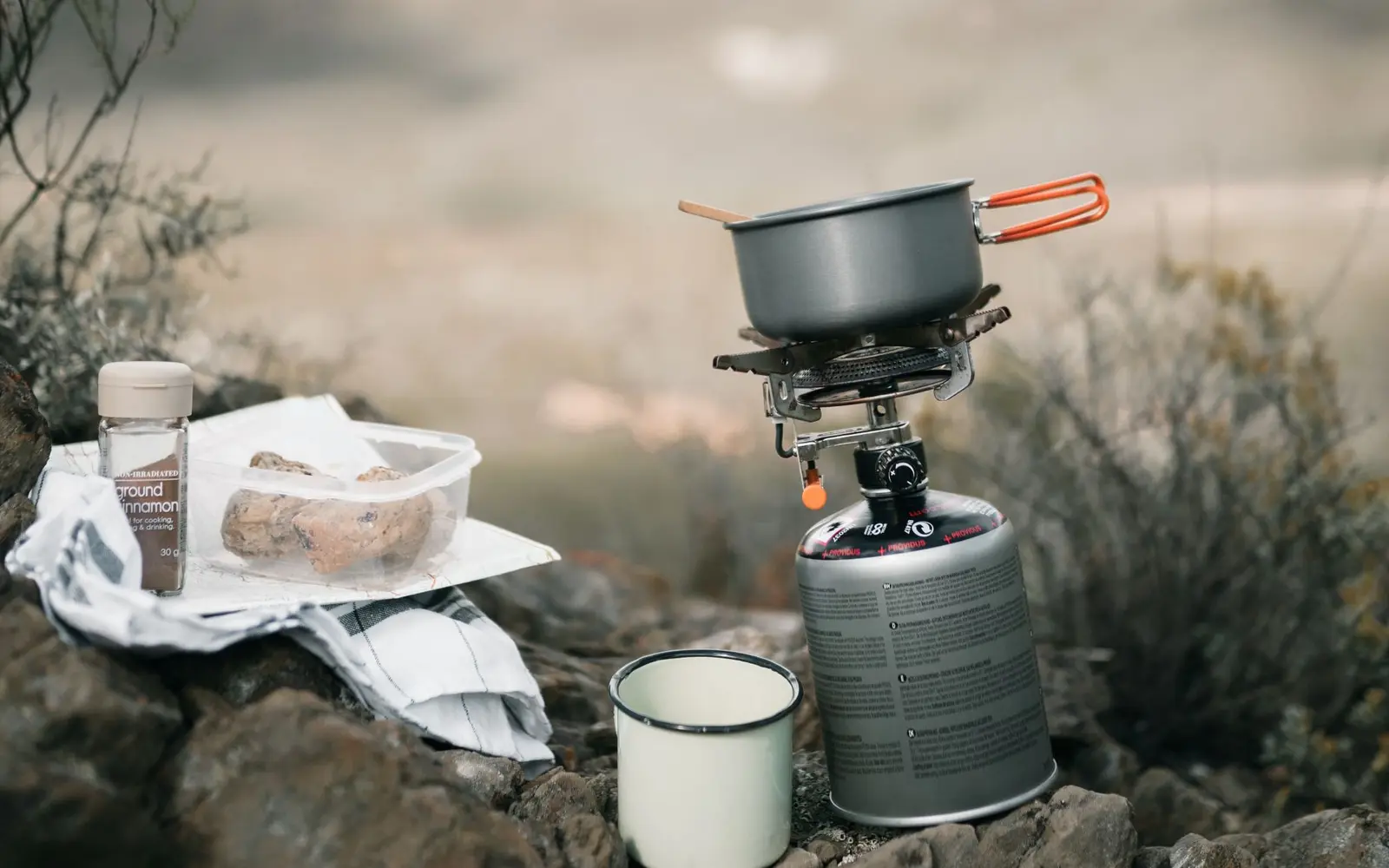
Backpackers often use a small burner that screws onto an isobutane-propane canister. They are light, simple and quick. Their weak point is cold: as the canister chills, pressure drops and output falls. Keeping the canister warm in your jacket before cooking, or choosing a remote-canister model that can run with the canister inverted, helps on frosty mornings.
Integrated systems
Some canister stoves come as an integrated pot and burner with a heat exchanger. They boil water efficiently and resist wind well, which is ideal if you mostly rehydrate meals and make drinks.
Liquid-fuel stoves
White-gas stoves work well in cold temperatures and the fuel bottle is refillable. They need priming and occasional maintenance, but they are reliable for winter trips and larger groups.
Cooking in wind and rain
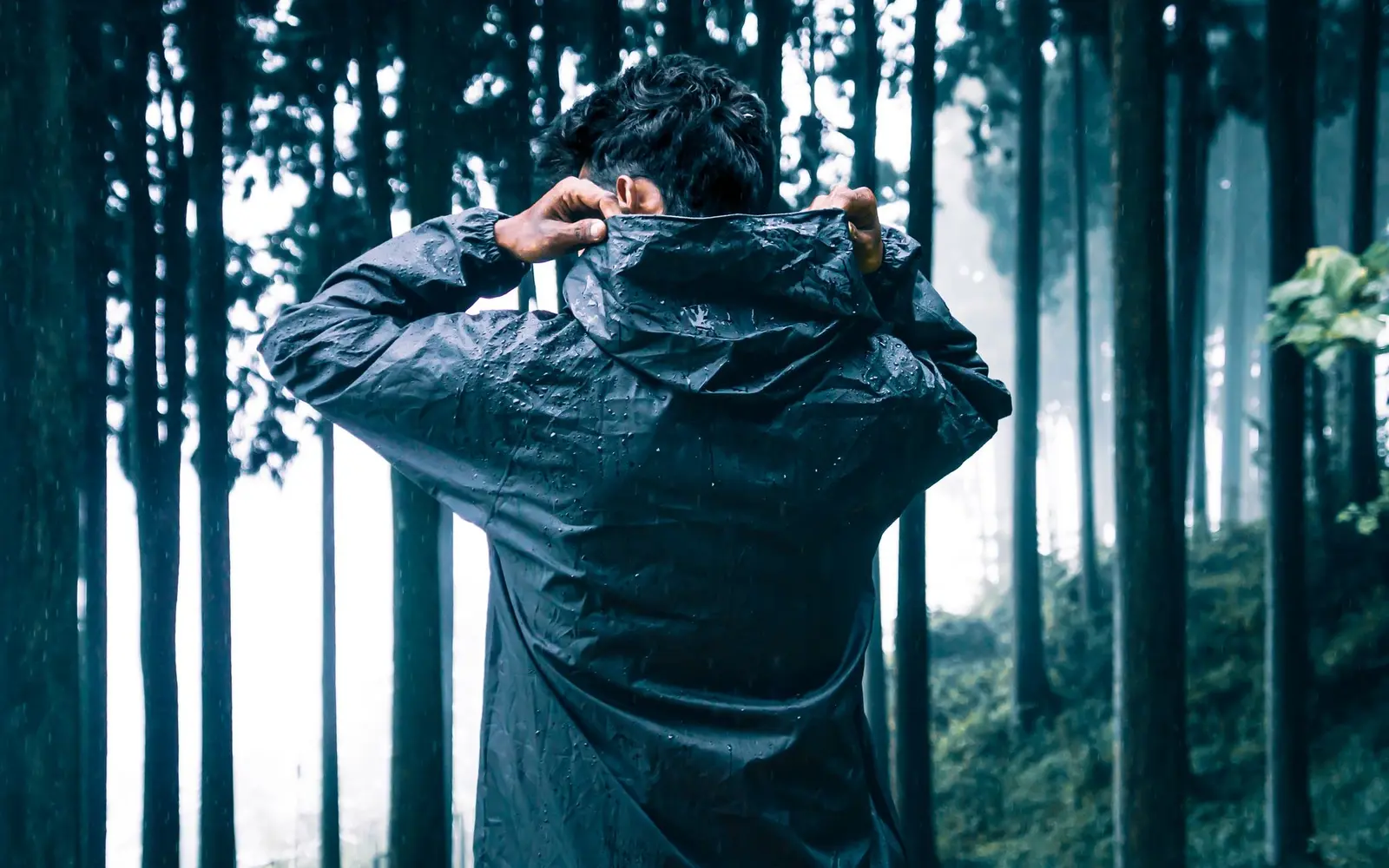
Northwest weather means you will often cook under a tarp or in a vestibule's general area. Do this thoughtfully.
- Never run a stove inside a closed tent. Carbon monoxide builds up quickly and fabric can catch fire.
- Under a well-ventilated tarp pitched high, keep the stove at the open edge, away from fabric overhead.
- Use windscreens only as the manufacturer allows; fully wrapping a canister stove can overheat the canister.
- Set the stove on a stable, level surface. A small flat board or a stove base helps on soft ground.
Pitch your kitchen tarp before you unpack food. A dry place to stage ingredients and sit down turns a rainy evening from a scramble into a pleasant routine.
Cookware and utensils
Match your pot to your group and menu. A single 1-liter pot handles solo boil-and-eat meals, while a pair of larger pots and a frying pan suit families who cook real dinners at a drive-in site.
- Aluminum: heats evenly and is affordable. Hard-anodized versions are more durable.
- Stainless steel: tough and easy to clean, but heavier and prone to hot spots.
- Titanium: very light and strong; great for boiling water, less forgiving for frying.
- Cast iron: excellent for car camping and coals, but heavy.
A lid saves fuel and speeds boiling. A long-handled spoon reaches the bottom of meal pouches. Add a pot grip, a small cutting board, a sharp knife with a sheath and insulated mugs.
Water: collect, treat, carry
Clear streams in the Cascades may look clean, but untreated backcountry water can carry protozoa and bacteria. Plan to treat everything you drink or use for cooking that is not brought to a rolling boil.
- Filters remove protozoa and bacteria and work quickly.
- Chemical treatments are light and make a good backup.
- Ultraviolet devices work on clear water but need batteries.
- Boiling is effective and doubles as cooking.
Collapsible water containers make camp life easier, letting you fetch a day's water in one trip.
Food storage and wildlife
Black bears, raccoons, jays, mice and other wildlife live throughout our forests, and coastal campgrounds can be notorious for clever raccoons. Animals that get human food can become dangerous to people and to themselves.
- Follow the posted rules for each campground or wilderness area; some require approved bear-resistant containers.
- Store food, trash and scented items such as toothpaste in a locked vehicle, food locker or approved canister when not in use.
- Never keep food in your tent.
- Cook and eat a reasonable distance from where you sleep when backpacking.
Cleaning up, Leave No Trace style
A tidy kitchen keeps animals away and keeps campsites pleasant for the next group. Scrape plates and pots thoroughly, pack out food scraps, and use a small amount of biodegradable soap. Strain greywater and scatter it well away from lakes and streams, or use the designated sink or drain at developed campgrounds. Pack out every bit of trash, including tiny wrapper corners.
A simple camp kitchen checklist
- Stove, fuel and a backup ignition source
- Pots, pan, lids and pot grip
- Utensils, knife and cutting board
- Mugs, bowls and plates
- Water treatment and containers
- Wash kit: scraper, sponge, soap, strainer, small towel
- Trash bags and food storage
- Kitchen tarp, cord and a headlamp for evening cooking
Keep it all in one labeled bin or bag between trips, restock after you return, and your kitchen will be ready the next time a dry weekend appears on the forecast.