Campfire vs. Camp Stove: Which Should You Cook On?
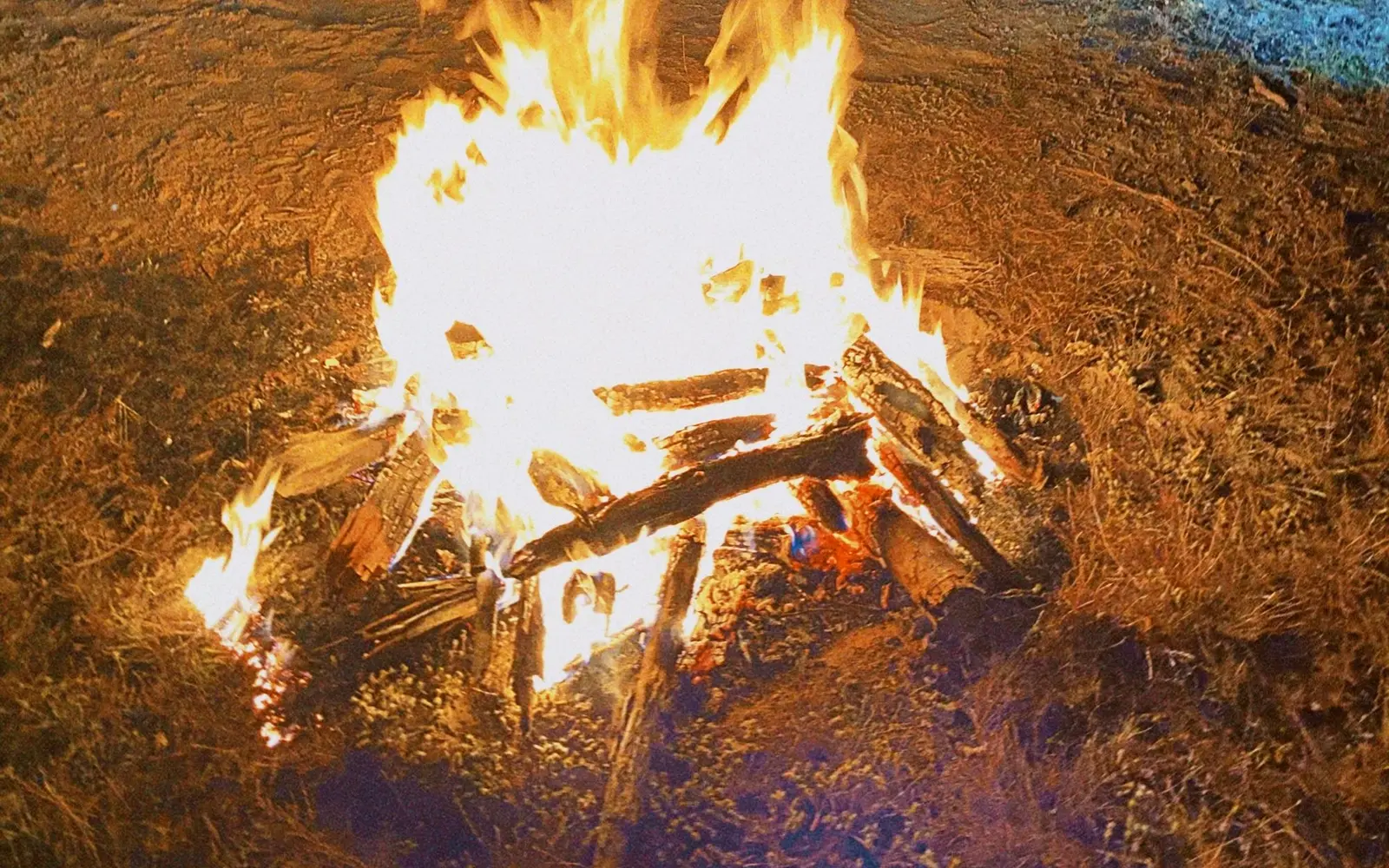
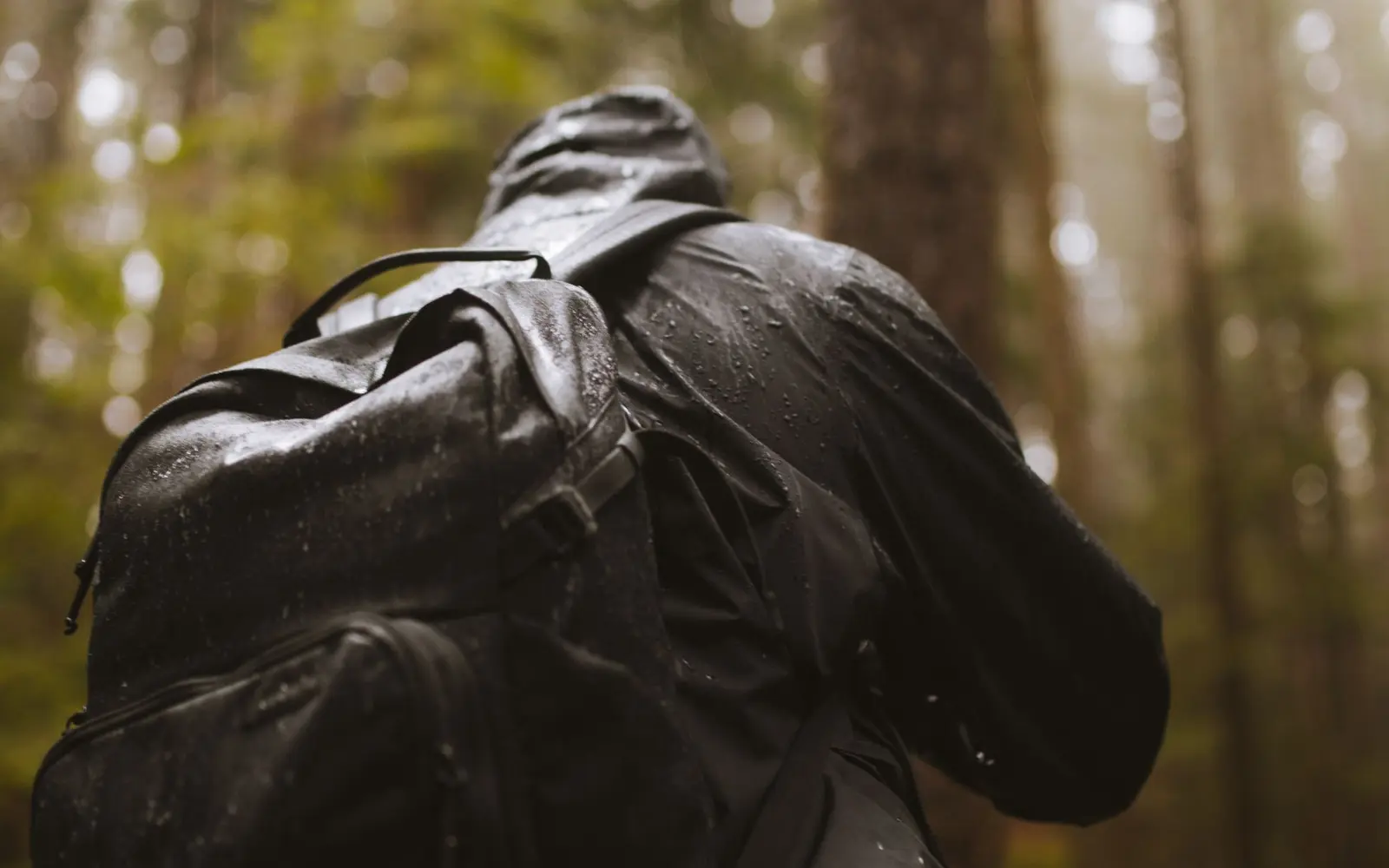
There is something timeless about cooking over a campfire: the smell of smoke, the glow on everyone's faces, foil-wrapped potatoes pulled from the coals. But anyone who has tried to light soggy wood in the Cascades, or arrived at a campground under a burn ban, knows that a camp stove is often the more reliable choice.
The answer to "campfire or stove?" depends on the place, the season and the meal. Here is how to think about it.
Start with the rules
Fire regulations vary widely across the Northwest and change during the season. Summer and early autumn often bring restrictions that limit campfires to developed fire rings or ban them entirely. In some high-elevation and sensitive areas, fires are prohibited year-round. Stoves are usually still permitted when campfires are not, though very strict restrictions can limit them too.
- Check the current fire status for your campground, national forest, park or wilderness area before you leave.
- Look for posted signs at the campground entrance and trailhead.
- When rules are unclear, call the local ranger station.
If there is any restriction in place, plan to cook on a stove. Your trip should never depend on being able to light a fire.
Cooking on a campfire
Strengths
- Warmth and atmosphere that a stove cannot match.
- Great for slow foods that like coals: foil packets, roasted vegetables, cast iron dishes.
- Uses firewood available at many campgrounds.
Weaknesses
- Heat is hard to control; food easily burns on the outside and stays raw inside.
- Wet wood is difficult to light and produces a lot of smoke.
- Takes time to build coals, especially in damp weather.
- Leaves scars, ash and blackened rocks if built outside established rings.
- Requires constant attention and complete extinguishing.
Firewood matters
Moving firewood long distances can spread invasive insects and diseases that damage forests. Buy or gather firewood locally where permitted, and use wood sold at or near the campground when available. Never cut live trees or strip branches from standing trees.
Keep fires small, never leave them unattended, and drown them with water, stir the ashes and drown again until everything is cool to the touch. If it is too hot to touch, it is too hot to leave.
Cooking on a stove
Strengths
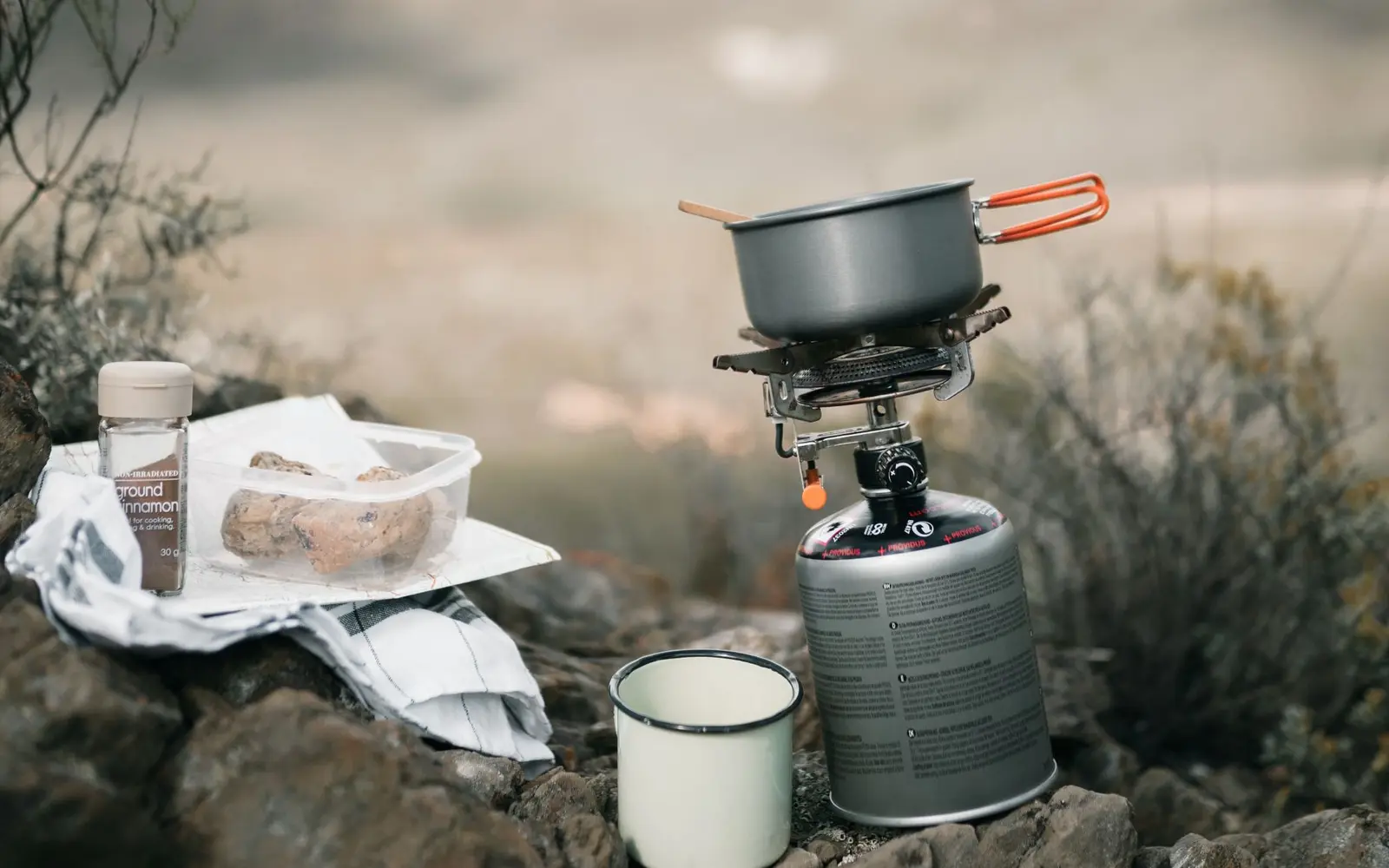
- Fast, predictable heat that is easy to adjust.
- Works in rain, under a tarp edge, and when fires are restricted.
- Leaves no ash or scarring, so it fits Leave No Trace principles.
- Simple cleanup and quick hot drinks in the morning.
Weaknesses
- Requires carrying fuel and a stove.
- Canister stoves lose power in cold temperatures.
- Less atmosphere and no warmth for the group.
Which meals suit which method?
| Meal type | Better on | Why |
|---|---|---|
| Coffee, tea, oatmeal | Stove | Fast boil, little fuss in the morning |
| Pasta, rice, soups | Stove | Needs steady, controllable simmer |
| Foil packet dinners | Campfire coals | Even, slow heat in a bed of coals |
| Pancakes, eggs | Stove | Needs moderate, stable heat |
| Roasted vegetables in cast iron | Either | Coals add flavor, stove adds control |
Setting up a safe stove area
Choose a flat, stable surface away from tent walls, overhanging branches and dry grass. Keep a pot of water nearby, set fuel containers away from the burner, and make sure children know the kitchen is a no-running zone. Turn the stove fully off and let it cool before packing it away.
The hybrid approach most campers use
For car camping, many Northwest families use both: a two-burner stove for breakfast, quick lunches and the main dinner, plus a campfire in the evening for warmth and dessert when it is permitted. This removes the pressure to get the fire going before people get hungry, and it means a rainy evening or a sudden burn ban does not cancel dinner.
For backpacking, the stove is the default. Fires at backcountry sites are often prohibited near lakes and above certain elevations, wood is scarce, and fire scars last for decades in fragile alpine terrain.
Fuel planning for stove cooks
Running out of fuel halfway through dinner is a classic camping frustration. Fuel use depends on your stove, the weather, altitude, the amount of water you boil and whether you simmer meals for a long time. Wind and cold both increase consumption.
- Track how much fuel you use on a typical trip and note it in your gear log.
- Bring a spare canister or a little extra liquid fuel, especially in cold or windy conditions.
- Use a lid, a windscreen suitable for your stove and a pot sized to the burner.
- Soak pasta or dehydrated meals before cooking to shorten cooking time.
- Store and transport fuel according to its label, and pack empty canisters out for proper recycling or disposal where available.
Lower-impact fire habits
- Use existing fire rings; do not build new ones.
- Burn only small pieces of wood that can turn fully to ash.
- Do not burn trash or food scraps.
- Keep the fire size modest; a small fire is easier to cook over anyway.
- Extinguish completely before sleeping or leaving.
Plan every meal so that it could be cooked on the stove. Then, if the rules and weather allow a fire, enjoy it as a bonus rather than a requirement.
Bottom line
A camp stove is the reliable workhorse of a Northwest camp kitchen, and a campfire is the treat. Check regulations, buy firewood locally, keep fires small and fully extinguished, and let the stove do the everyday cooking. You will eat better, worry less and leave a lighter mark on the places you visit.
Quick FAQ
Can I use a stove during a burn ban?
Often yes, but some restrictions also limit stoves. Always check the specific rules for your area and dates.
Why is my campfire so smoky?
Wet or green wood smolders and smokes. Use dry, seasoned wood, start small with fine tinder and give the fire air.
Is it OK to gather wood at a campsite?
Rules vary. Some areas allow gathering dead and down wood; others prohibit it. Never cut live trees.