Camping in Old-Growth Forest: Gear, Safety and Respect
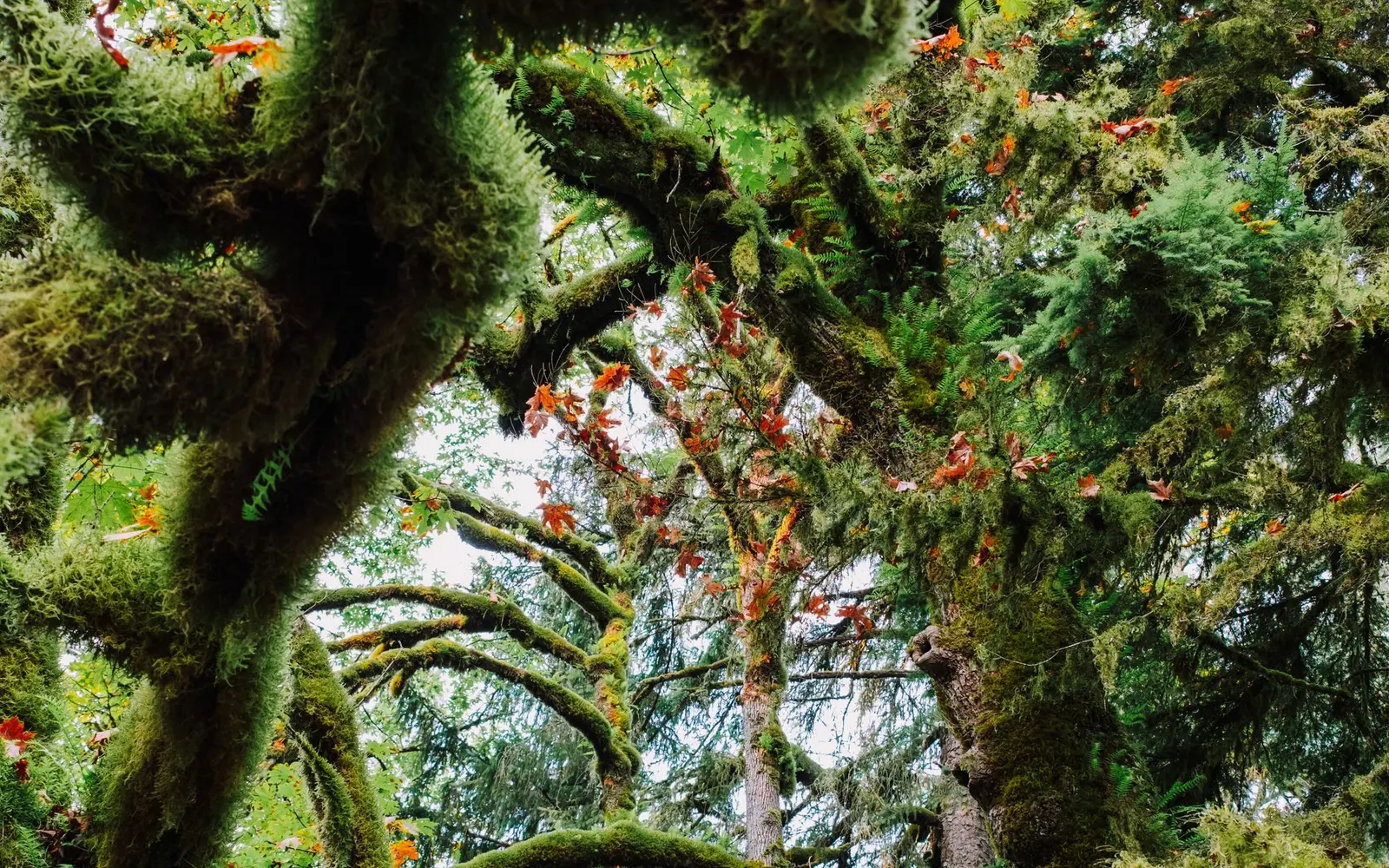
Old-growth forests are among the most remarkable places in the Pacific Northwest. Towering Douglas fir, western red cedar, Sitka spruce and western hemlock form a canopy so dense that the forest floor stays dim and damp even on summer afternoons. Moss coats every branch, ferns fill the gaps, and fallen giants slowly turn into nurse logs for the next generation of trees.
Camping in these forests is unforgettable, but the environment shapes how you choose your site, manage moisture and move through the woods. Here is what to keep in mind.
Expect shade, drip and slow drying
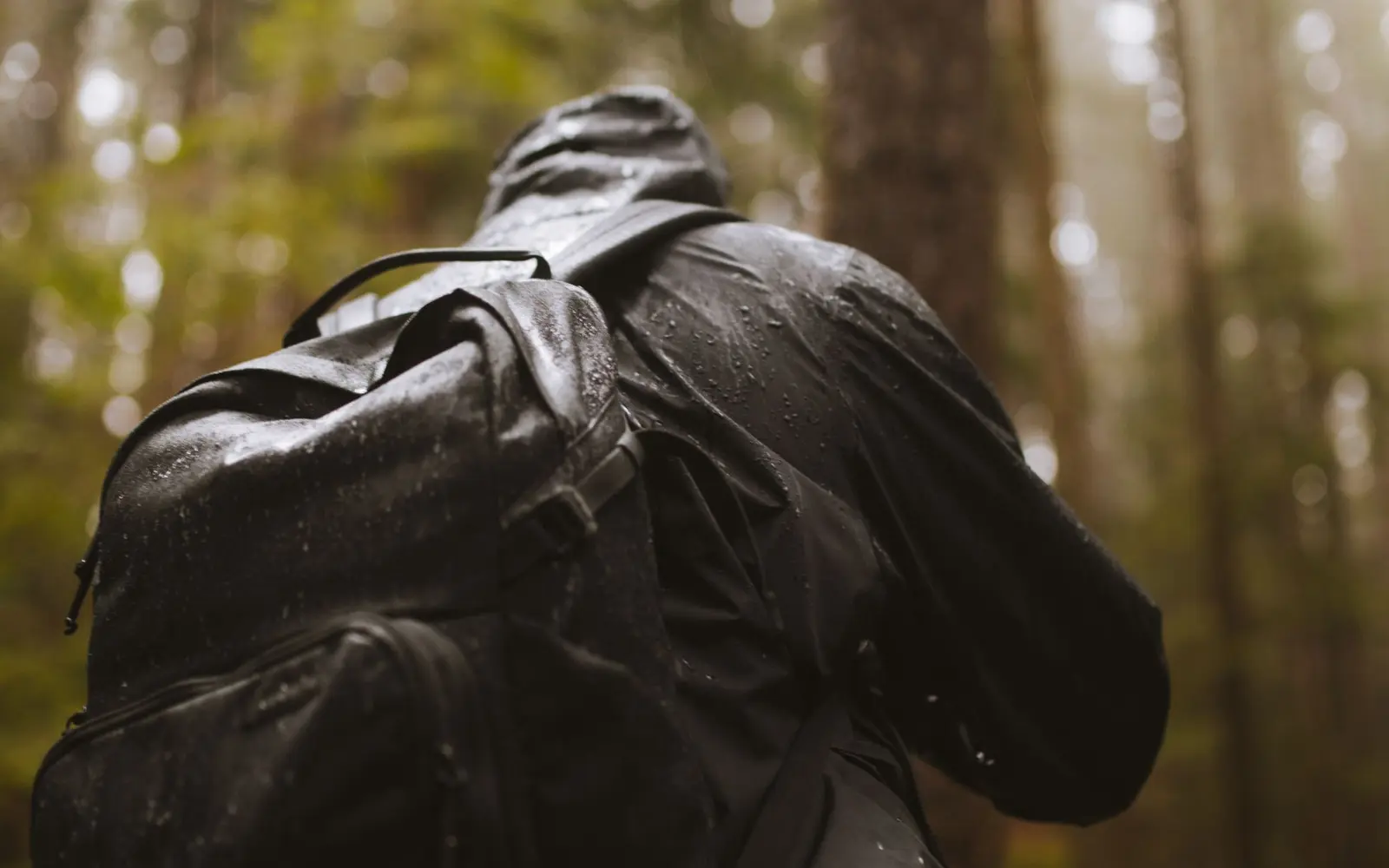
Under a closed canopy, sunlight rarely reaches the ground and rain keeps dripping from branches long after the clouds pass. Gear that would dry in an hour on an open ridge may stay damp for days.
- Bring a tarp to create a dry living space, even if no rain is forecast.
- Pack extra dry bags for sleeping bags and clothes.
- Choose synthetic insulating layers that keep working when damp.
- Bring a small absorbent cloth to wipe condensation from the tent.
- Plan for cooler temperatures than nearby open areas.
Look up before you pitch
Large trees shed branches, sometimes without warning, and standing dead trees (snags) can fall in wind or after heavy rain. Falling limbs are often called "widowmakers" for good reason.
- Scan the canopy above your tent site for dead branches, broken tops and leaning trees.
- Avoid pitching directly under snags or trees with large dead limbs.
- Be more cautious in windy conditions and after storms.
- Use established campsites whenever possible; they have usually been assessed for hazards.
Spend two minutes looking up before you spend twenty minutes setting up. Move the tent a few yards if anything overhead looks questionable.
Protect fragile ground
The forest floor in old-growth stands is a living layer of mosses, fungi, seedlings and decaying wood. It recovers slowly from trampling.
- Camp only on established sites or durable surfaces such as bare soil and gravel pads.
- Do not clear vegetation or move logs to make space.
- Stay on trails rather than cutting across switchbacks or through moss.
- Avoid walking on nurse logs; they are the nurseries of future trees.
- Do not peel moss or bark, and leave mushrooms and plants where you find them unless foraging is clearly permitted.
Navigation under the canopy
Dense forest can make navigation tricky. Views are limited, trails can be faint where they cross blowdowns, and GPS signals can weaken under thick canopy.
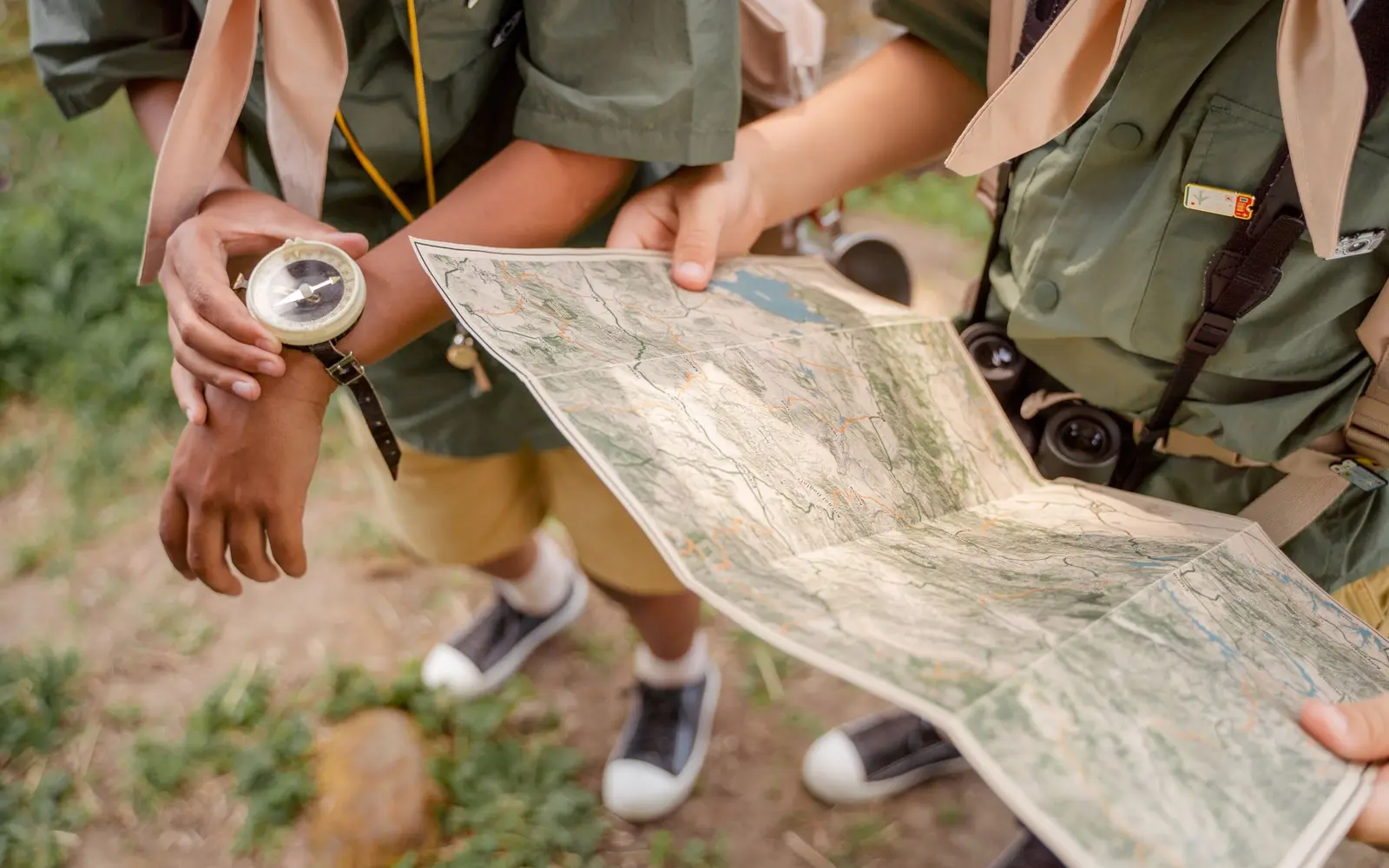
- Carry a paper map and compass, and know how to use them.
- Download offline maps and track your route on your phone as a backup.
- Look back occasionally so you recognize the route on your return.
- Note distinctive features at junctions: a huge cedar stump, a footbridge, a creek crossing.
- Give yourself extra daylight; it gets dark early under the canopy.
Lighting for dim forests
A headlamp is essential even for daytime hikes in old-growth. Light fades early, and the deep shade makes evening chores difficult. A lantern under the tarp makes camp more comfortable, and a red light mode helps preserve night vision.
Water and streams
Old-growth forests often have clear streams and seeps. Treat all water before drinking, and collect it from flowing sources. Camp and wash dishes well away from streams to protect water quality and the sensitive plants along banks. Stream banks in these forests can be undercut and slippery, so approach carefully.
Wildlife in the big woods
These forests are home to black bears, elk, deer, owls, salamanders and countless smaller creatures. Store food properly, keep a clean camp and give wildlife space. Watch where you step on wet trails; rough-skinned newts and banana slugs often cross paths.
Fire in old-growth
Many old-growth areas have fire restrictions, and wet wood under the canopy rarely burns cleanly anyway. Plan to cook on a stove. If fires are permitted, use existing rings only, burn small pieces of dead and down wood where gathering is allowed, and fully extinguish the fire.
Some of these trees were seedlings centuries ago. Camping among them is a privilege, and the best way to say thank you is to leave no trace at all.
Footwear for wet, rooty trails
Trails through old-growth are often soft, muddy and laced with slick roots and boardwalks. Footwear with good tread and a secure fit matters more than waterproofing alone. Many hikers prefer quick-drying trail shoes with wool or synthetic socks, accepting wet feet and changing into dry socks at camp. Others choose waterproof boots and gaiters for short, muddy trips. Either way, step on roots and wet wood carefully, and use trekking poles for extra stability on slippery descents.
Gear checklist for old-growth trips
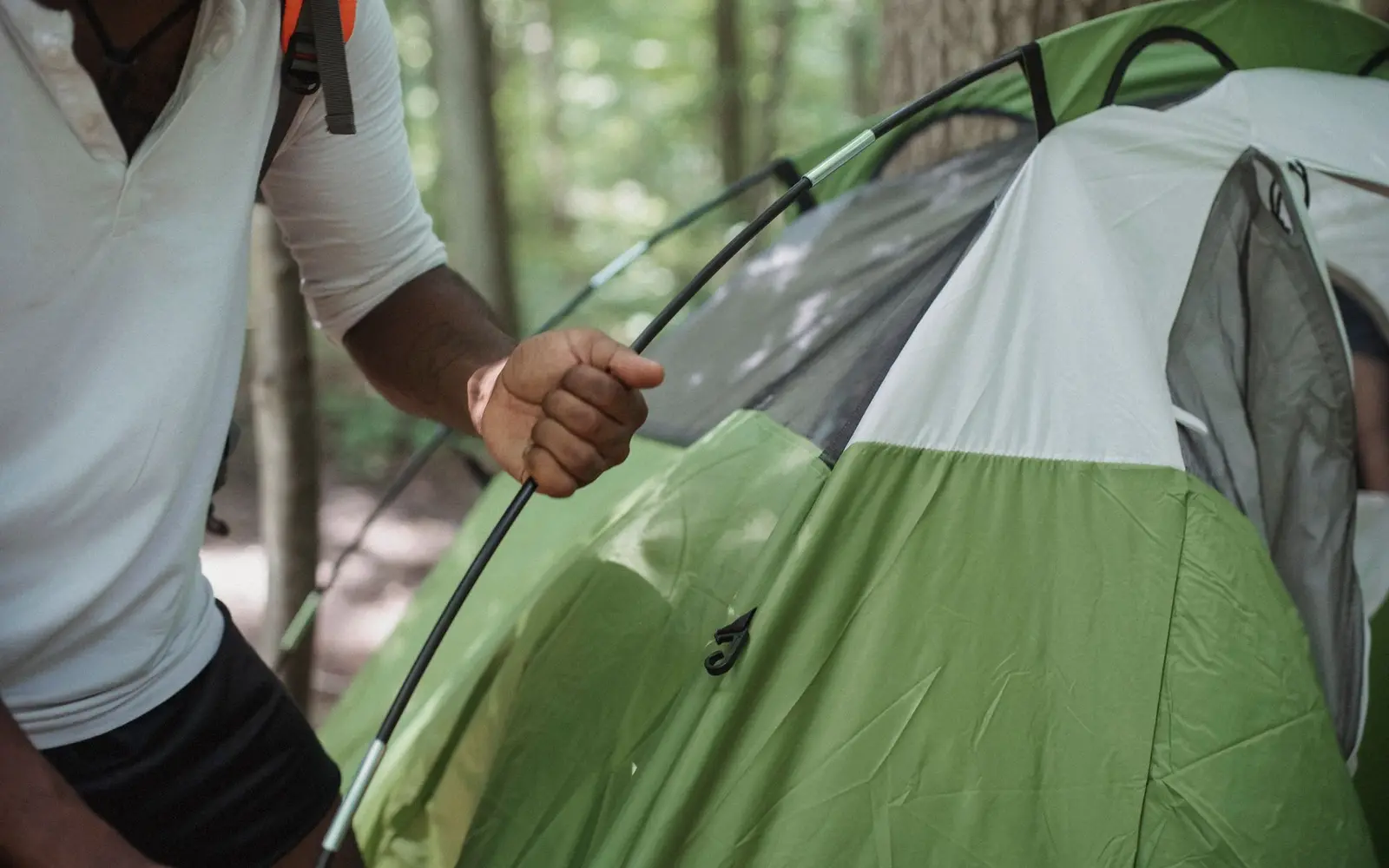
- Double-wall tent with good ventilation
- Tarp and cord for a dry living space
- Extra dry bags
- Synthetic insulating layer and warm hat
- Headlamp and camp lantern
- Map, compass and offline maps
- Stove and fuel
- Water treatment
- Bear-resistant food storage where required
Respect the place
Old-growth forests are irreplaceable. Follow posted rules, keep group sizes small, stay on trails and established campsites, and pack out everything you bring. Take photos and memories, and leave the moss, cones and logs for the forest. When you camp gently, these places remain as quiet and wild for the next visitor as they were for you.
Quick FAQ
What is a widowmaker?
A dead or broken branch or treetop that can fall without warning. Always check above your tent site.
Will my GPS work under thick canopy?
It usually works but can be less accurate. Carry a map and compass as backup.
Can I take moss or mushrooms home?
In many protected areas, collecting plants or fungi is not allowed. Leave them in place unless rules clearly permit gathering.