Oregon Coast Camping Tips: Wind, Fog, Tides and Sand
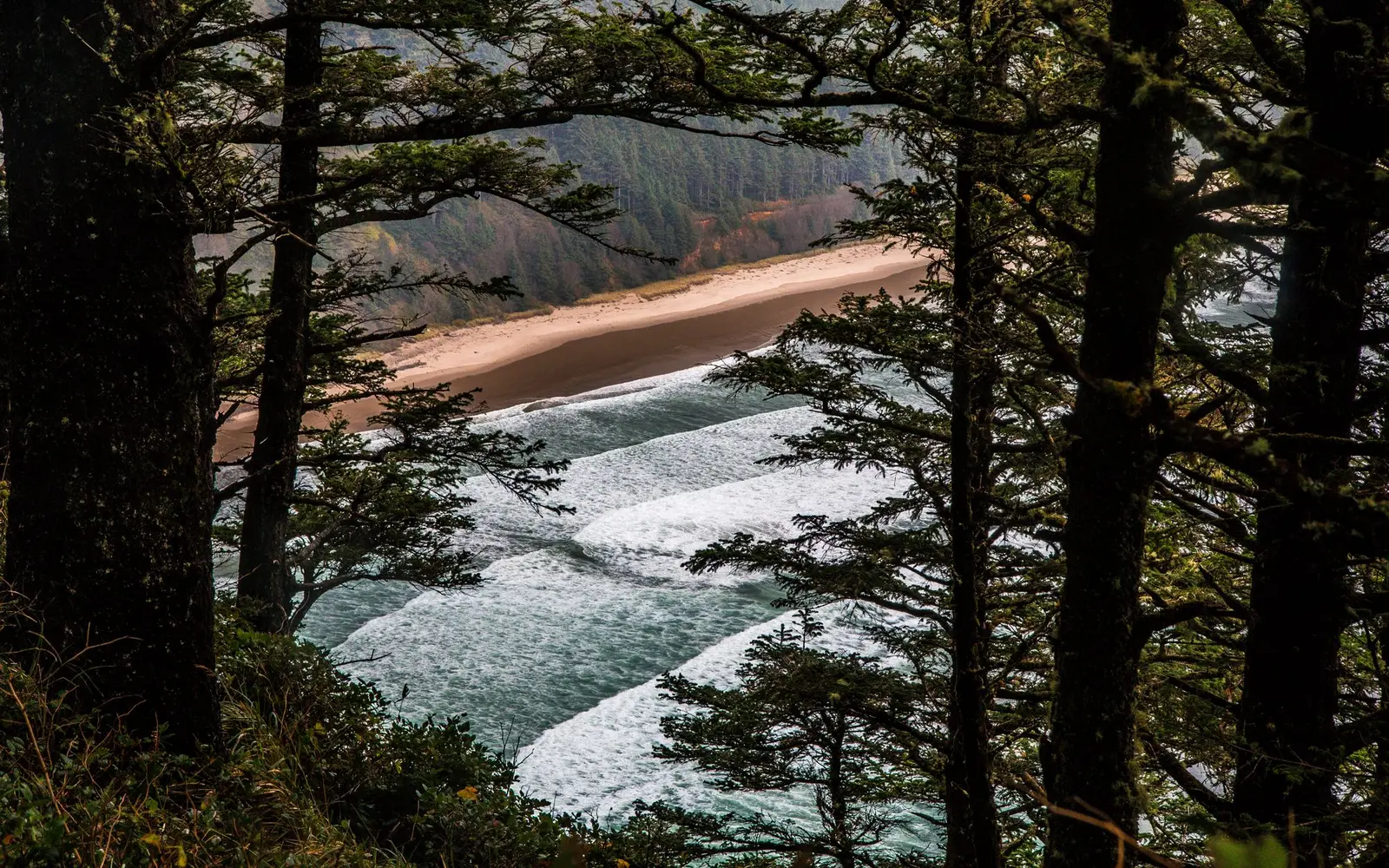
The Oregon coast is one of the most rewarding places to camp in the Northwest: forested headlands, long beaches, tide pools and the sound of surf at night. It also has its own personality. Summer days that are sweltering inland can be cool and gray on the beach, wind can pick up in the afternoon, and salt and sand find their way into everything.
Here is how to prepare your gear and plans for a comfortable coastal trip.
Expect cool, changeable weather
Marine air keeps the coast mild year-round, but "mild" often means cool and damp. A foggy morning can turn sunny by noon and windy by late afternoon. Pack as if you are going somewhere cooler than the inland forecast suggests.
- A warm insulating jacket, even in July.
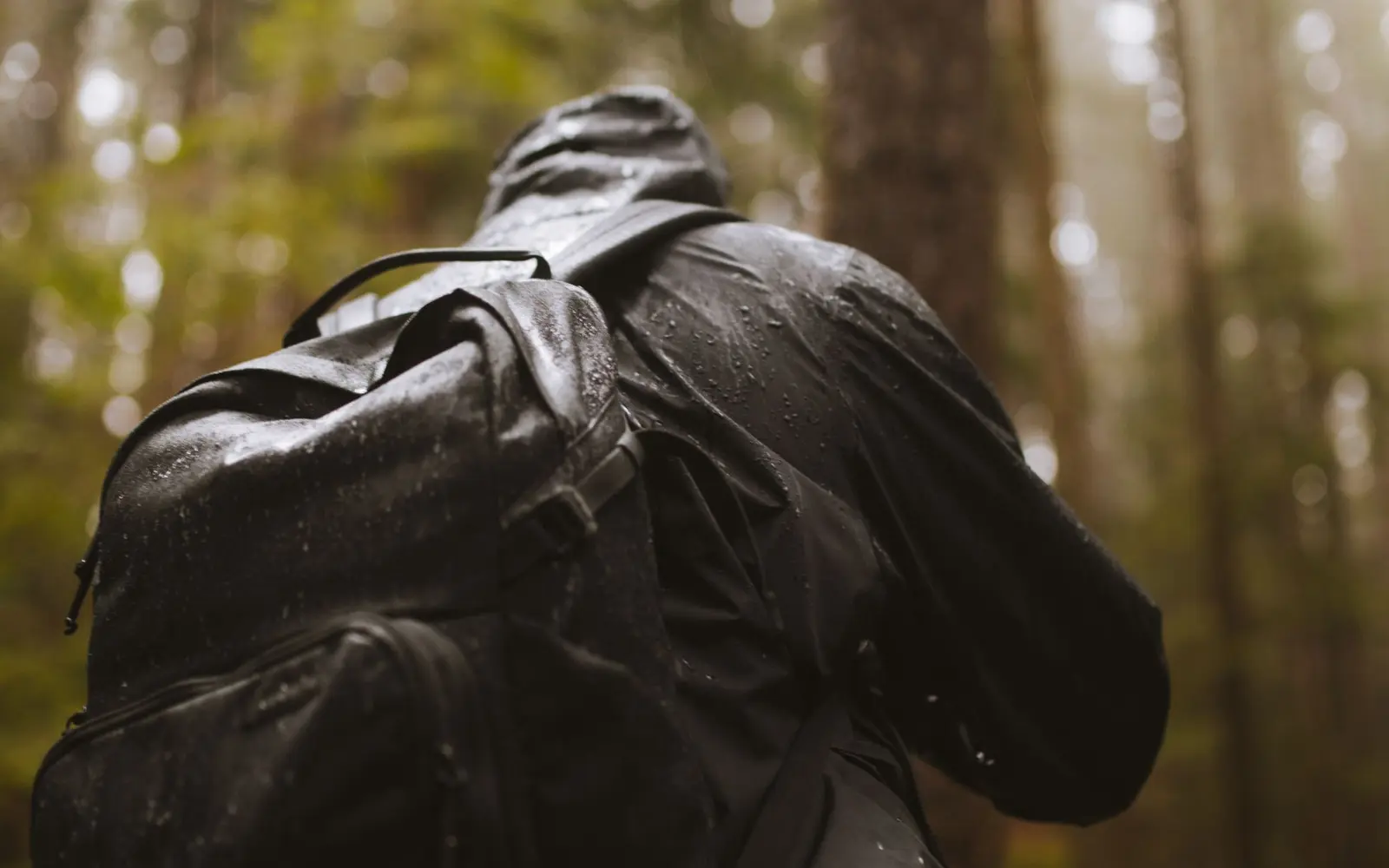
- A windproof and waterproof shell.
- A warm hat for evenings by the water.
- Sun protection, because UV still reaches you through thin fog.
Pick a tent that handles wind
Coastal campsites range from sheltered spots in the trees to exposed sites near dunes. In exposed sites, wind is a bigger challenge than rain.
- Low-profile dome or tunnel tents with multiple pole crossings stand up to gusts better than tall cabin-style tents.
- Use every guyline loop, and stake them out at a wide angle.
- Pitch with the narrow, lowest end facing the prevailing wind.
- If the campground has wind breaks or tree cover, use it.
Staking in sand and loose soil
Standard thin stakes pull out easily in sand. Wider sand stakes, longer stakes driven at an angle, or "deadman" anchors work better. To make a deadman, tie the guyline around a stuff sack filled with sand or a stick, bury it sideways, and pack sand firmly on top.
Set up your tent before the afternoon wind arrives. Mornings are often calmer, and it is much easier to pitch and guy out a tent without fighting gusts.
Know the tides and respect the ocean
Beach walks are a highlight of any coastal trip, but the ocean demands respect. Pick up a tide table at a ranger station or check one online before you head out.
- Plan headland rounding and tide pool visits for low tide, and allow plenty of margin before the tide turns.
- Never let the incoming tide cut off your return path.
- Sneaker waves can surge much farther up the beach than earlier waves. Keep your eyes on the ocean and keep children close.
- Stay off large drift logs near the surf; waves can roll them suddenly.
- Cold water and strong currents make swimming dangerous for most people.
Dealing with fog and dampness
Coastal fog can soak everything without a drop of rain falling. Tent flies drip, picnic tables stay wet, and towels never quite dry.
- Bring a tarp for a dry camp kitchen and sitting area.
- Pack quick-drying towels and an extra set of socks.
- Keep sleeping bags in dry bags until bedtime.
- Ventilate the tent well to limit condensation.
Salt, sand and your gear
Salt air and fine sand are tough on zippers, stove parts and electronics. A little care goes a long way.
- Shake out tents and keep a small brush or whisk broom handy.
- Keep zippers closed when not in use to keep sand out of the teeth.
- Store your phone and camera in a zip bag or a small dry bag.
- Keep the stove and fuel bottle in a bag when not cooking.
- After the trip, rinse gear that touched salt water with fresh water and dry it fully.
Campfires and fire rules on the coast
Beach fires are permitted in some places and restricted in others, and rules change with conditions. Check current regulations before you go. Where fires are allowed, keep them small, away from drift logs and dune grass, and fully extinguish them with water. Never burn driftwood piles or logs that are part of the beach structure. In established campgrounds, use fire rings only.
Wildlife and food storage
Coastal campgrounds are home to raccoons, gulls, jays and other opportunistic wildlife. Store all food and scented items in a locked vehicle or provided storage when not in use. Clean up immediately after meals and never leave food unattended on picnic tables, even for a minute.
Sleeping well by the surf
The coast rarely gets truly cold, but damp air makes moderate temperatures feel chilly, and sandy ground can be surprisingly cold under a thin pad. A few adjustments help you sleep soundly.
- Use an insulated pad rather than an uninsulated air mattress.
- Choose a sleeping bag rated a little below the expected low; synthetic insulation is forgiving in persistent fog.
- Pack earplugs. Surf, wind and foghorns are soothing to some people and keep others awake.
- Brush sand off feet and clothes before getting into the tent, and keep a small mat or towel at the door.
If the wind picks up overnight, a quick check of guylines and stakes before bed can save you from a flapping fly at 3 a.m.
Leave the coast better than you found it
- Stay on trails through dunes and on headlands to protect fragile plants and nesting birds.
- Observe tide pool creatures without removing them.
- Pack out every bit of trash, including fishing line and small plastic pieces.
- Respect seasonal closures for wildlife.
With wind-ready shelter, warm layers, a tide table and a little care for salt and sand, the Oregon coast becomes one of the most comfortable and inspiring places to camp in the region.
Quick FAQ
What kind of stakes work in sand?
Wide sand stakes or deadman anchors (a buried stuff sack or stick tied to the guyline) hold far better than thin wire stakes.
Do I need a warm jacket for summer on the coast?
Yes. Fog and wind make summer evenings on the coast surprisingly cool, so pack a warm insulating layer.
Are beach fires allowed?
It depends on location and conditions. Check current local regulations and fire restrictions before your trip.